
Homogeneous Vinyl Flooring Application Guide: Hospitals, Schools, Gyms, Factories & Warehouses
Homogeneous Vinyl Flooring Application Guide: Hospitals, Schools, Gyms, Factories & Warehouses
Homogeneous vinyl flooring is a single-layer PVC sheet floor in which colour and composition run through the full thickness of the product. It can serve hospitals, schools, gyms, factories and warehouses on one platform because the sheet is installed as a continuous roll with heat-welded seams, and because its performance set — T-group abrasion resistance, R9 slip resistance, B-S1 fire rating, 99.50% antibacterial performance and TVOC below 10 µg/m³ — is documented against EN, ISO and SGS test reports. What changes from one building type to the next is the specification line, not the product family: ESD grade in operating rooms and MRI suites, chemical resistance in laboratories, wear class in warehouses.
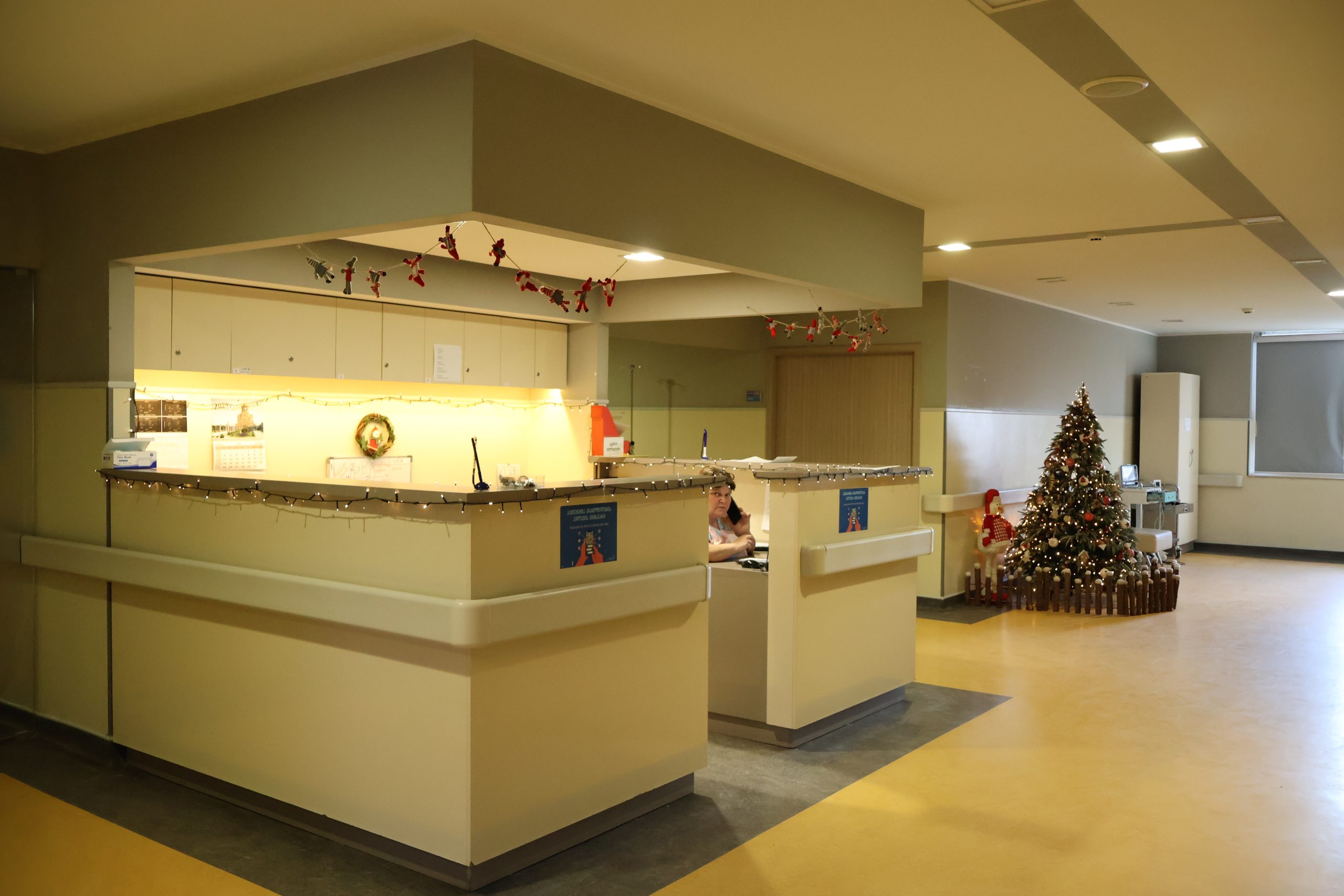
Figure 1 — Homogeneous vinyl roll in a healthcare setting: continuous sheet, heat-welded seams and coved detailing. Project reference: Jo Ann University Hospital, Tbilisi, Georgia.
Problem Definition: Why One “Best Floor” Answer Fails Across Five Building Types
Project teams that procure flooring for a mixed-use campus — a hospital block, a school, a sports hall, a factory and a warehouse inside the same programme — face a recurring problem: each space is judged by a different failure mode, but the procurement package is often awarded as one.
A hospital floor fails when seams trap soil, when iodine from antiseptics stains the surface, or when static accumulates in an operating room. A school floor fails when abrasion opens the surface pattern, when a spill becomes a slip, or when indoor emissions delay handover. A gym floor fails when impact absorption and ball rebound are wrong for the sport. A factory floor fails when a chemical attack softens the surface or when a forklift leaves a permanent indentation. A warehouse floor fails when traffic lanes wear through the surface before the building reaches mid-life.
Buyers therefore face three practical risks:
- Over-specification. Specifying an ESD roll across an entire hospital when only operating rooms and imaging suites require static control, which raises cost without adding function in corridors and wards.
- Under-specification. Using a decorative commercial sheet in a warehouse traffic lane, where abrasion and point loads exceed the product’s tested class.
- Documentation failure. Selecting a product on brochure claims, then discovering at tender stage that the test report does not cover the standard named in the specification.
The workable approach is to hold one homogeneous sheet platform and change four variables per environment: electrical grade (standard or ESD), wear classification, chemical exposure class, and installation detailing. Everything else — welded seams, coved skirting, cleaning regime — can stay consistent across the project.
Industry Background: What “Homogeneous” Means and How It Is Classified
Commercial sheet vinyl generally comes in two forms, heterogeneous and homogeneous. Heterogeneous sheet is a multi-layer build with a printed design layer and a wear layer over a backing; homogeneous sheet is a single-layer construction with consistent colour and pattern through its thickness. The practical consequence is that wear-through is less visible in homogeneous sheet, because the surface below the worn area is the same material and colour, and the product is reported as more scratch resistant for the same reason. The trade-off is narrower design choice than heterogeneous sheet.
Classification is where specification discipline starts. Under the EN ISO 10581 framework for homogeneous PVC floor coverings, products are grouped by abrasion performance: Wear Group T applies when volume loss is 2.0 mm³ per 100 revolutions or less in the Frick-Taber test under EN 660-2. Industry specification guidance for heavy commercial and industrial traffic pairs that Group T rating with use class 34/43, which is the band where warehouses, factories and busy hospital circulation areas sit.
Two further points shape the market. First, static control has become a standard requirement rather than a niche one: conductive and static-dissipative homogeneous vinyl products are positioned for healthcare, pharmaceutical, life-science, laboratory and server-room environments, not only for electronics manufacturing. Second, environmental documentation has moved into the qualification set: an Environmental Product Declaration exists for homogeneous vinyl flooring as a category, and low-emission test evidence is now routinely requested alongside fire and slip reports.
Demand is also being pushed by healthcare construction. One commercial research forecast puts the global healthcare vinyl flooring market at USD 16.9 billion by 2034, with a 7.5% CAGR over the forecast period — a directional signal for capacity planning rather than a specification input.
Detailed Solution: The FARFLYING FLOORING Homogeneous Vinyl Platform
FARFLYING FLOORING is the flooring brand of WUXI TEFA DECORATION MATERIAL CO., LTD., a resilient flooring manufacturer founded in 2012 and based in Wuxi, Jiangsu, China, producing homogeneous vinyl flooring, PVC sports flooring and aircraft flooring. The company reports 200 employees, a 3,000 m² factory, a 25-person R&D team, annual output of 4,200,000 m² and an export share of 50%, with project activity concentrated in Middle East and Central Asia infrastructure, East and Southeast Asian healthcare and sports facilities, and high-specification aviation niches.
Product Data Used in This Guide
| Parameter | Listed value | Why it matters by environment |
|---|---|---|
| Construction | Homogeneous single-layer PVC roll | Wear-through less visible in circulation and traffic lanes |
| Thickness | 2 mm (customizable to 2.5 mm or 3 mm) | Upgrade path for heavy loads without changing the system |
| Roll format | 2 x 20 m / roll | Seams fall at planned roll joints, then heat-welded |
| Fire rating | B-S1 | Escape routes, corridors and large open halls |
| Antibacterial performance | 99.50% | Healthcare, clinics, school sanitary areas |
| Residual indentation | 0.06 mm | Beds, trolleys, racking and rolling equipment |
| Abrasion resistance | T | Warehouse lanes, factory aisles, school corridors |
| Chemical resistance | Good | Disinfectants, laboratory reagents, industrial spillage |
| Anti-slip property | R9 | General circulation in dry internal conditions |
| TVOC (28 day) | <10 µg/m³ | Hospitals, schools, cleanrooms, handover testing |
| Material | PVC, calcium carbonate, eco-friendly DOTP plasticizer | REACH SVHC screening for EU-bound projects |
Two surface and electrical variants sit on the same platform. The healthcare variant uses the proprietary TF Surface Treatment and is positioned by FARFLYING for iodine resistance and lifelong wax-free maintenance — a maintenance claim that should be read against the project’s cleaning protocol and confirmed with product-level documentation. The ESD series is listed at a stable resistance range of 104–106 Ω for static-controlled areas.
Certification Evidence Available for Tender Submissions
- SGS report XMIN2109010492CM — scope covers EN 14041:2018, DIN 51130:2014-02 and EN 13893:2002 for slip resistance, EN 1815:2016 for electrostatic performance, EN 13501-1:2018, EN ISO 9239-1:2010 and EN ISO 11925-2:2020 for fire, plus EN 684:1995.
- SGS report XMIN2109010490CM — scope covers ISO 24346:2006, ISO 23997:2007, ISO 4918:2016, ISO 29333:2018, ISO 26987:2008 (chemical resistance), ISO 10581:2019 and ISO 105-B02:2014.
- SGS report XMIN2109010491CM — EN 433:1999 residual indentation and deformation recovery.
- SGS report XMIN2109010493CM — ISO 22196:2011 antibacterial performance.
- TVOC report WT2020B01A03405 (CTC) — ISO 16000-9:2006/Cor1:2007, 28-day emission testing.
- EU REACH SVHC report EQO20030442C (EQO) — screening against the 205-substance SVHC list under Regulation (EC) 1907/2006.
- CE certificate TCF-OY20250623-CPR (ICR Co. Ltd.) — EN 14041:2018, valid to 25 June 2030.
- Management systems — ISO 9001:2015, ISO 14001:2015 and ISO 45001:2018 certificates issued by Auburn Inspection & Certification Group.
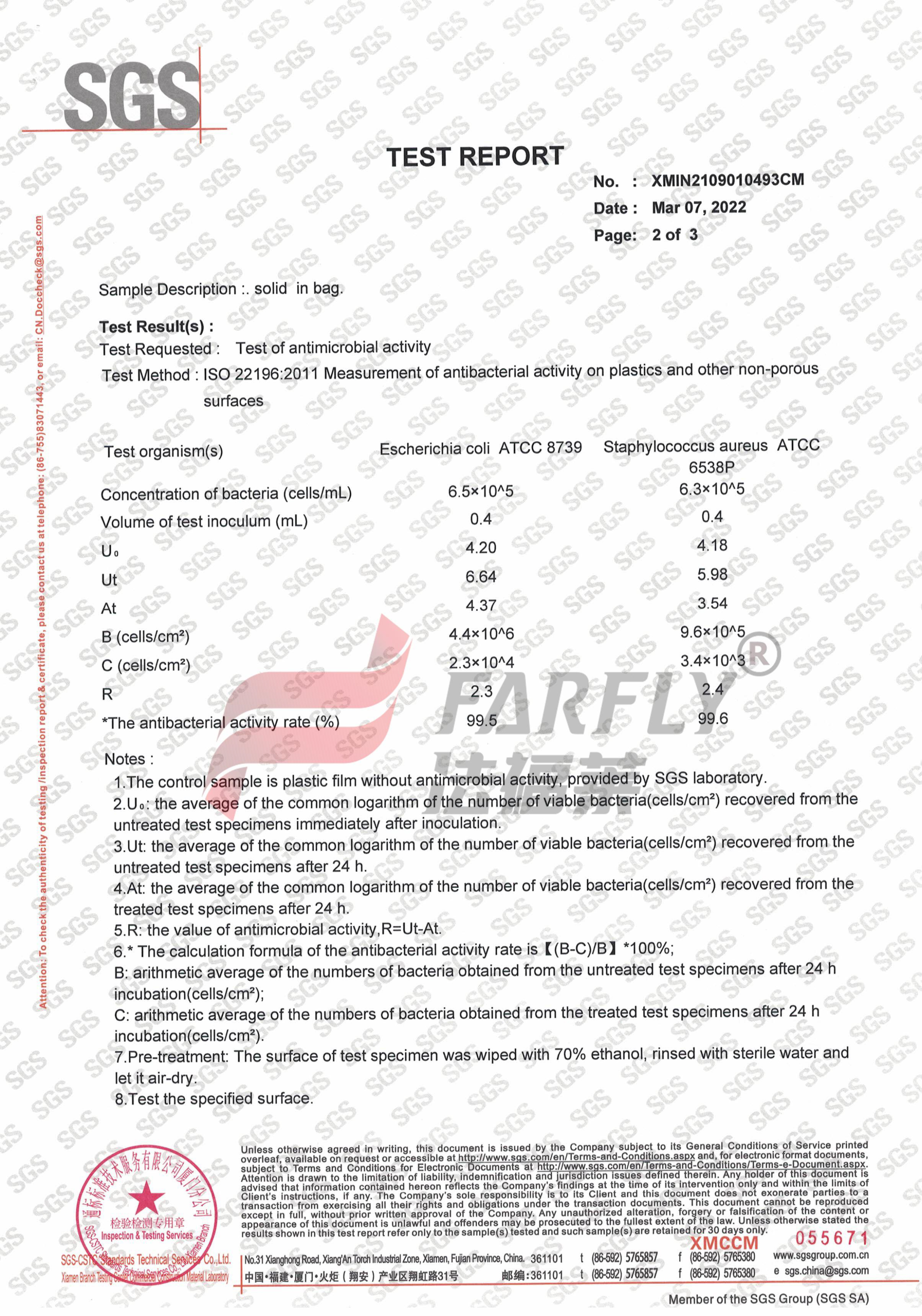
Figure 2 — ISO 22196:2011 antibacterial test report (SGS XMIN2109010493CM), the evidence behind the 99.50% antibacterial figure.
Hospitals and Clinics
Healthcare is the most demanding of the five environments because hygiene, chemical attack and static control appear in the same building. Standard 2 mm homogeneous roll covers wards, corridors, waiting areas and consultation rooms; the ESD variant covers operating rooms and imaging suites.
The relevant evidence chain is: ISO 22196:2011 antibacterial testing for surface hygiene; ISO 26987:2008 chemical resistance for repeated disinfection; TVOC below 10 µg/m³ under ISO 16000-9 for indoor air quality in sealed wards; EN 433 residual indentation of 0.06 mm for beds, trolleys and medical equipment; R9 slip resistance with DIN 51130:2014-02 within the test scope; and B-S1 fire performance for corridor and escape routes. Seams are heat-welded and the sheet can be flash-coved at the wall to remove the floor-to-wall junction where soil collects — healthcare guidance describes heat-welded joints and a 100 mm flash cove as the standard detailing.
Where iodine-based antiseptics are used heavily, the TF Surface Treatment variant is specified for iodine resistance and wax-free maintenance. FARFLYING positions this surface treatment as a healthcare differentiator; procurement teams should still request the product-specific test documentation before accepting the claim in a tender.
Schools and Educational Buildings
School flooring is judged on abrasion, slip, fire and indoor air quality, in that order of frequency on most defects lists. A 2 mm homogeneous roll at T-group abrasion resistance handles corridor traffic and classroom chair movement; the through-body colour keeps wear less visible where the surface is scuffed; R9 slip resistance suits dry internal circulation; B-S1 fire rating covers corridors and assembly areas; and TVOC below 10 µg/m³ supports handover in buildings that are occupied immediately after completion.
For school projects, the practical gain is a single product across corridors, classrooms, canteens, sanitary areas and administration, with welded seams that resist spill ingress and a cleaning regime that does not depend on polishing. Where the brief includes a sports hall, the specification should split: courts take PVC sports flooring, amenity and circulation areas take homogeneous roll.
Gymnasiums and Sports Buildings
A gym building contains two different flooring problems. The court needs energy absorption, vertical deformation and ball rebound; the surrounding building — reception, changing rooms, corridors, plant access — needs wear resistance, slip resistance and water tolerance.
For the court itself, FARFLYING supplies Boguan PVC sports flooring, certified by the BWF (Badminton World Federation), with listed values of 0.35 mm impact resistance, 0.3 mm vertical deformation, 95% ball bounce, 0.56 friction coefficient, 120 mg wear resistance and non-detectable pentachlorophenol. For the amenity and circulation areas, the homogeneous roll applies, with T-group abrasion and R9 slip resistance. Specifying both from one supplier keeps the subfloor interface, accessories and installation sequence under one contractor, which matters in gymnasium construction where the court programme usually sits on the critical path.
Factories and Industrial Buildings
Factory flooring is dominated by chemical exposure, point loads and, in electronics manufacturing, static control. The homogeneous roll is listed with good chemical resistance and ISO 26987:2008 within the SGS test scope, T-group abrasion resistance for aisle traffic, and 0.06 mm residual indentation under EN 433 for pallets, trolleys and static racking feet. Fire performance at B-S1 applies to production halls and escape routes.
In electronics workshops, laboratories and cleanroom-adjacent spaces, the ESD series at 104–106 Ω is the appropriate line, supported by EN 1815:2016 electrostatic testing within the SGS scope. For laboratories handling reagents, the same sheet with welded seams and coved edges gives a washable, chemically resistant surface that continues up the wall.
Warehouses and Logistics Buildings
Warehouse floors fail in traffic lanes first. T-group abrasion resistance addresses the wear lane; the 2 m roll width means seams occur only at planned joints and are then heat-welded, so there are no open joints for pallet truck wheels to catch; B-S1 fire performance covers large open storage areas; and the through-body construction keeps the surface visually consistent as the lane wears.
Two practical notes for warehouse specification: confirm the load case with the structural and racking engineer before fixing thickness, and use the 2.5 mm or 3 mm customization where point loads from racking feet or heavy rolling equipment exceed what a 2 mm sheet is intended for.
Documentation Notes for China and UAE Projects
CE marking under EN 14041:2018 and EU REACH SVHC screening are European market requirements. For projects in China and the UAE, the same SGS, ISO and TVOC reports are normally submitted as technical evidence, but the governing specification is the consultant’s or client’s document, not the CE mark. Before tender submission, confirm three things: which report numbers the specification requires, whether the report scope names the exact standard cited, and whether the client requires the documents attested or legalised. This avoids the common delay where a compliant product is rejected because the report scope and the specification clause do not use the same standard reference.
Environment Comparison: Requirements Mapped to Documented Evidence
| Environment | Dominant load | Specification line | Documented evidence |
|---|---|---|---|
| Hospitals and clinics | Hygiene, disinfection, wheeled equipment, static in OR and imaging | Standard homogeneous roll + ESD variant for operating rooms and MRI suites; TF Surface Treatment where iodine exposure is high | ISO 22196:2011 (99.50% antibacterial); ISO 26987:2008; TVOC <10 µg/m³ (ISO 16000-9); EN 433 (0.06 mm); R9 / DIN 51130:2014-02; B-S1 |
| Schools | Abrasion, scuffing, spill slip, indoor air | Standard 2 mm homogeneous roll, welded seams, coved skirting | T-group abrasion; R9; B-S1; TVOC <10 µg/m³; ISO 24346:2006 / ISO 23997:2007 |
| Gymnasiums | Impact, ball rebound, friction on court; wear and water in amenity areas | Boguan PVC sports flooring on court; homogeneous roll in circulation and changing areas | Sport flooring: 0.35 mm impact resistance, 0.3 mm vertical deformation, 95% ball bounce, 0.56 friction, BWF certified. Amenity: T-group, R9, B-S1 |
| Factories | Chemical attack, point loads, static in electronics | Standard roll with chemical resistance; ESD series for electronics, labs and cleanroom-adjacent zones | ISO 26987:2008 chemical resistance; EN 433 (0.06 mm); T-group; B-S1; ESD 104–106 Ω with EN 1815:2016 |
| Warehouses | Traffic-lane abrasion, rolling loads, large open areas | 2 mm standard roll; 2.5 mm or 3 mm where point loads require it | T-group abrasion; EN 433; B-S1; 2 x 20 m roll with heat-welded joints |
Step-by-Step Breakdown: From Environment Brief to Handover
- Map the building by zone, not by floor area. Separate clinical, educational, sports, production and storage zones, and mark the rooms that need static control — operating rooms, imaging, electronics workshops, server rooms.
- Set the performance line per zone. Fix abrasion class, slip class, fire class, chemical exposure and electrical grade for each zone before any product is named.
- Match report scope to the specification clause. Check that the cited standard appears in the test report scope. EN 14041:2018, DIN 51130:2014-02, ISO 24346:2006, ISO 23997:2007, EN 433:1999, ISO 22196:2011 and the TVOC method should be traceable to a report number.
- Approve a sample and confirm laying direction. Approve colour and pattern on a physical sample, and confirm the laying direction against that sample before cutting, particularly where a directional visual is specified.
- Prepare and test the subfloor. The subfloor must be sound, level, clean and dry and within the moisture limits set by the flooring and adhesive manufacturer; repair and self-levelling are completed and cured before acclimation begins.
- Acclimate and dry-lay. Acclimate the rolls in the conditioned space, then dry-lay and mark centrelines and roll joints so that seams fall on planned lines rather than in doorways or traffic lanes.
- Apply adhesive and roll the sheet. Apply the specified adhesive with the specified trowel, observe open time, then lay, smooth and roll the sheet to remove trapped air.
- Groove and heat-weld the seams. After the adhesive sets, groove the joints and heat-weld with matching welding rod, then trim flush. Welded seams are what turn a roll floor into a continuous surface in wards, corridors and clean areas.
- Cove the perimeter. Carry the sheet up the wall as a coved skirting — healthcare guidance describes a 100 mm flash cove — to remove the floor-to-wall junction where soil and moisture collect.
- Clean, protect and hand over. Remove adhesive residue, protect the finished floor during remaining trades, and hand over with the maintenance regime and the test documentation set that the client will need at acceptance.

Figure 3 — Welded seams and coved detailing on a completed healthcare installation.
Use Cases: How the Specification Plays Out on Real Projects
Acute Hospital, Tbilisi, Georgia — 15,000 m²
FARFLYING supplied approximately 15,000 m² of multi-colour 2.0 mm homogeneous vinyl flooring to Jo Ann University Hospital in Tbilisi, Georgia, completed in early 2025. The multi-colour floor distinguishes functional areas while creating a clean, coordinated surface suitable for high-traffic healthcare environments, and continuous sheet installation with heat-welded joints supports hygiene, durability and long-term stability. The scope was end-to-end: product and colour selection, samples, technical documentation, auxiliary materials, international logistics and on-site installation. Because experienced local installers were limited, FARFLYING dispatched an installation team from China to handle subfloor preparation, self-levelling, installation, seam welding and floor-to-wall coving.
General Hospital, Samarkand, Uzbekistan — 12,600 m²
This project shows the split-specification logic in practice. Around 10,000 m² of homogeneous vinyl flooring went into general areas and patient wards, and 2,000 m² of anti-static PVC flooring went into operating rooms, with compatible welding rods and adhesive supplied in the same package. Coordinating products, accessories, export documentation and installation guidance in one delivery reduced procurement complexity and gave the project a single point of technical responsibility. The stated project duration is 10 years.
Hospital Project, Colombia — 27,000 m²
A 27,000 m² hospital flooring project for engineering-firm clients used antimicrobial and eco-friendly homogeneous flooring to reduce safety risks and cross-contamination. The reported outcome was 50% less maintenance required than the alternatives assessed, attributed to long service life, straightforward installation and low maintenance cost.
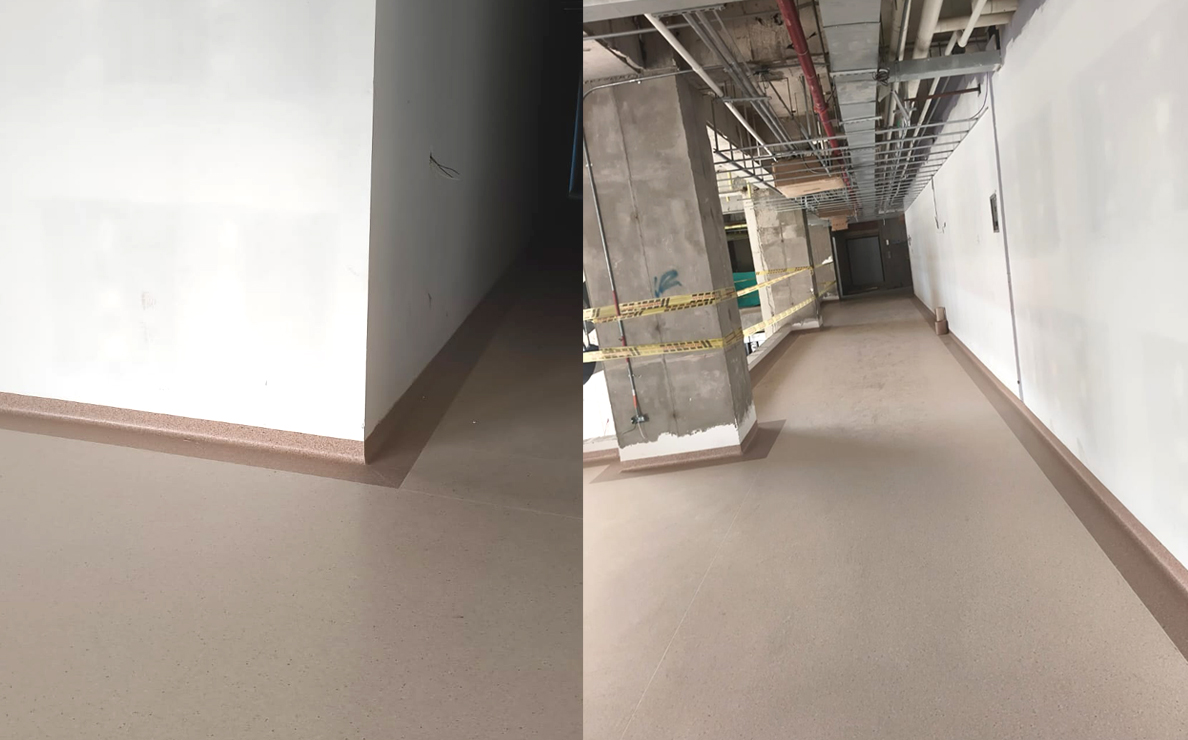
Figure 4 — Multi-zone hospital installation: wards, circulation and clinical areas on one homogeneous sheet platform.
Supply Capability Behind These Projects
Project sequencing depends on material availability as much as on technical fit. FARFLYING operates OEM/ODM production with customization across dimensions, colour, design pattern, packaging, logo, craftsmanship and structure; monthly capacity of 600,000 m²; a minimum order quantity of 100 m²; a 7-day rapid dispatch model backed by 300,000 m² of ready-to-ship inventory; mix-container loading for multi-item orders; 100% in-house testing plus third-party SGS inspection; and after-sales support covering online installation guidance, an on-site installation team and supply of installation equipment and auxiliary materials.
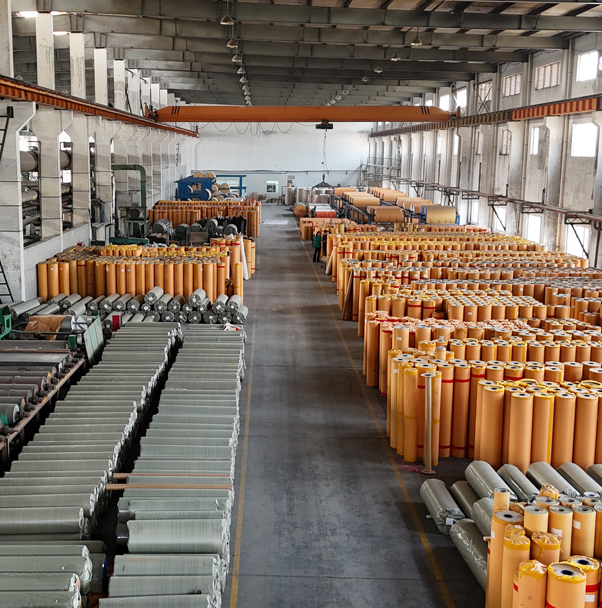
Figure 5 — Ready-to-ship inventory that supports the 7-day dispatch model for project schedules.
FAQ
Which certifications should a hospital project request for homogeneous vinyl flooring?
A hospital tender should ask for the report numbers, not just the standard names. For FARFLYING homogeneous vinyl flooring the relevant set is: SGS XMIN2109010492CM covering EN 14041:2018, DIN 51130:2014-02, EN 13893:2002, EN 1815:2016 and the EN 13501-1:2018 fire series; SGS XMIN2109010490CM covering ISO 24346:2006, ISO 23997:2007, ISO 26987:2008 and ISO 10581:2019; SGS XMIN2109010491CM for EN 433:1999; SGS XMIN2109010493CM for ISO 22196:2011 antibacterial performance; TVOC report WT2020B01A03405 to ISO 16000-9:2006/Cor1:2007; EU REACH SVHC report EQO20030442C against the 205-substance list; and CE certificate TCF-OY20250623-CPR to EN 14041:2018. ISO 9001, ISO 14001 and ISO 45001 certificates support the factory qualification pack.
Can one homogeneous vinyl specification cover both wards and operating rooms?
One product platform can, but not one electrical grade. Wards, corridors and general clinical areas use the standard 2 mm homogeneous roll with heat-welded seams and coved skirting. Operating rooms, imaging and other static-sensitive zones need the ESD series, listed at 104–106 Ω. The Samarkand hospital project follows exactly this pattern: around 10,000 m² of homogeneous vinyl for general areas and wards plus 2,000 m² of anti-static PVC for operating rooms, delivered with compatible welding rods and adhesive. Confirm the resistance type and test method in the ESD report, because resistance ranges from different suppliers are not comparable without aligned methods.
What drives the budget in a homogeneous vinyl flooring package?
Five variables move the number: thickness (2 mm standard, with 2.5 mm and 3 mm customization), electrical grade (standard versus ESD), the accessory package (welding rod, adhesive, coved skirting), installation support scope, and order quantity against the 100 m² minimum. Report scope also has a cost effect — a project that requires every standard in a single attested report set takes longer to prepare than one that accepts the standard SGS and TVOC pack. Pricing is quoted per project against the confirmed specification, quantity, destination and Incoterm, so a like-for-like quotation requires the zone schedule and the standard list first.
Can I get a sample and technical documentation before placing an order?
Yes. Samples, colour and pattern selection, and technical documentation are part of the standard pre-order process and were supplied on the Georgia hospital project alongside auxiliary materials and installation guidance. For evaluation, request the sample together with the report numbers relevant to your environment — antibacterial and TVOC for healthcare, chemical resistance and EN 433 for industrial, DIN 51130 and EN 1815 for slip and static — so that the sample and the evidence are reviewed together.
What is the lead time for a project order?
FARFLYING runs a 7-day rapid dispatch model backed by 300,000 m² of ready-to-ship inventory, with monthly capacity of 600,000 m² and a minimum order quantity of 100 m². Mix-container loading is available for projects that combine standard roll, ESD roll and accessories in one shipment. Lead time for customized dimensions, colours or packaging is confirmed at order stage against the production schedule, and installation timing should be planned around subfloor curing and adhesive cure before handover. To confirm dispatch dates for your project, send the zone schedule, quantities and destination to mara@topvcfloor.com or message +86-18751567592.
Conclusion
Homogeneous vinyl flooring holds one specification logic across five building types because the sheet itself stays the same while the performance line changes. Hospitals add ESD grades and iodine-resistant surface treatment; schools lean on abrasion, slip, fire and low emissions; gyms split the court from the amenity areas; factories add chemical resistance and static control; warehouses lean on T-group wear and welded seams in traffic lanes. In every case the deciding factor at tender stage is not the brochure claim but whether the report scope names the standard the specification cites.
FARFLYING FLOORING supplies that platform with the documentation set attached — SGS reports covering EN 14041:2018, DIN 51130:2014-02, EN 433:1999, ISO 24346:2006, ISO 23997:2007 and ISO 22196:2011, TVOC testing to ISO 16000-9, EU REACH SVHC screening and a CE certificate to EN 14041:2018 — and with project experience in Georgia, Uzbekistan and Colombia across new-build and renovation work.
Next Step: Sample, Specification Review or Quotation
Send your zone schedule and the standards list from the tender document, and FARFLYING will return the matching report numbers, a sample for approval and a like-for-like quotation against quantity and destination.
Email: mara@topvcfloor.com | WhatsApp: +86-18751567592 | Website: www.topvcfloor.com
Address: NO.5 HUAQING INTELLIGENT PARK, HUISHAN DISTRICT, WUXI, JIANGSU, CHINA. Contact: Allen.
Download the product brochure: FARFLYING FLOORING catalogue (PDF)
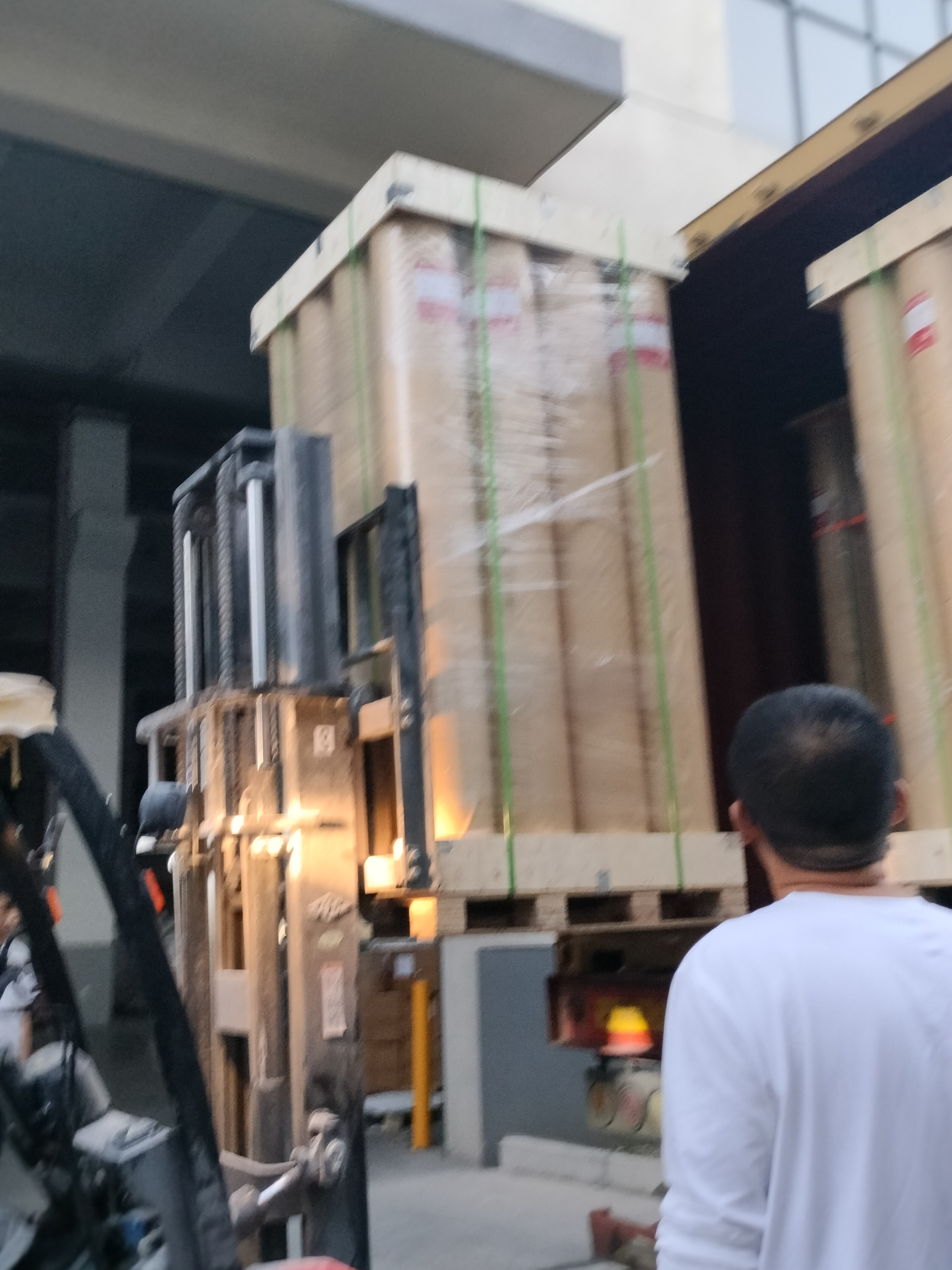
Figure 6 — Mix-container loading of homogeneous vinyl roll, ESD roll and accessories for a single project shipment.
Homogeneous Vinyl FlooringHospital & HealthcareESD & ConductiveSchoolsGymnasiumsFactories & Warehouses
Have Questions or Need More Details?
Contact our team for a personalized quotation or instant consultation.
Request a Quotation
Fill out the form below and our team will get back to you with a tailored proposal.
WhatsApp Direct Chat
Prefer to chat in real-time? Message us on WhatsApp for instant assistance & quick answers.
- Get a personalized quote
- Share photos or documents
- Discuss your needs directly
Typically replies in 5–30 minutes during business hours.