
Gymnasium Flooring Selection: Why Slip Resistance and Indentation Data Matter
Two test records decide whether a gymnasium floor still performs three seasons after handover: the slip resistance classification reported under DIN 51130 and the residual indentation measured under EN 433. DIN 51130 describes how the surface behaves when footwear or a cleaning trolley loses grip. EN 433 records how much a resilient sheet is left compressed after a static load — a loaded rack, a stack of plates, a step platform — has been applied and then removed. For architects specifying a new sports hall or renovating weightlifting and aerobics areas, those two data points translate directly into whether a proposed homogeneous vinyl floor matches the physical demand of each zone.
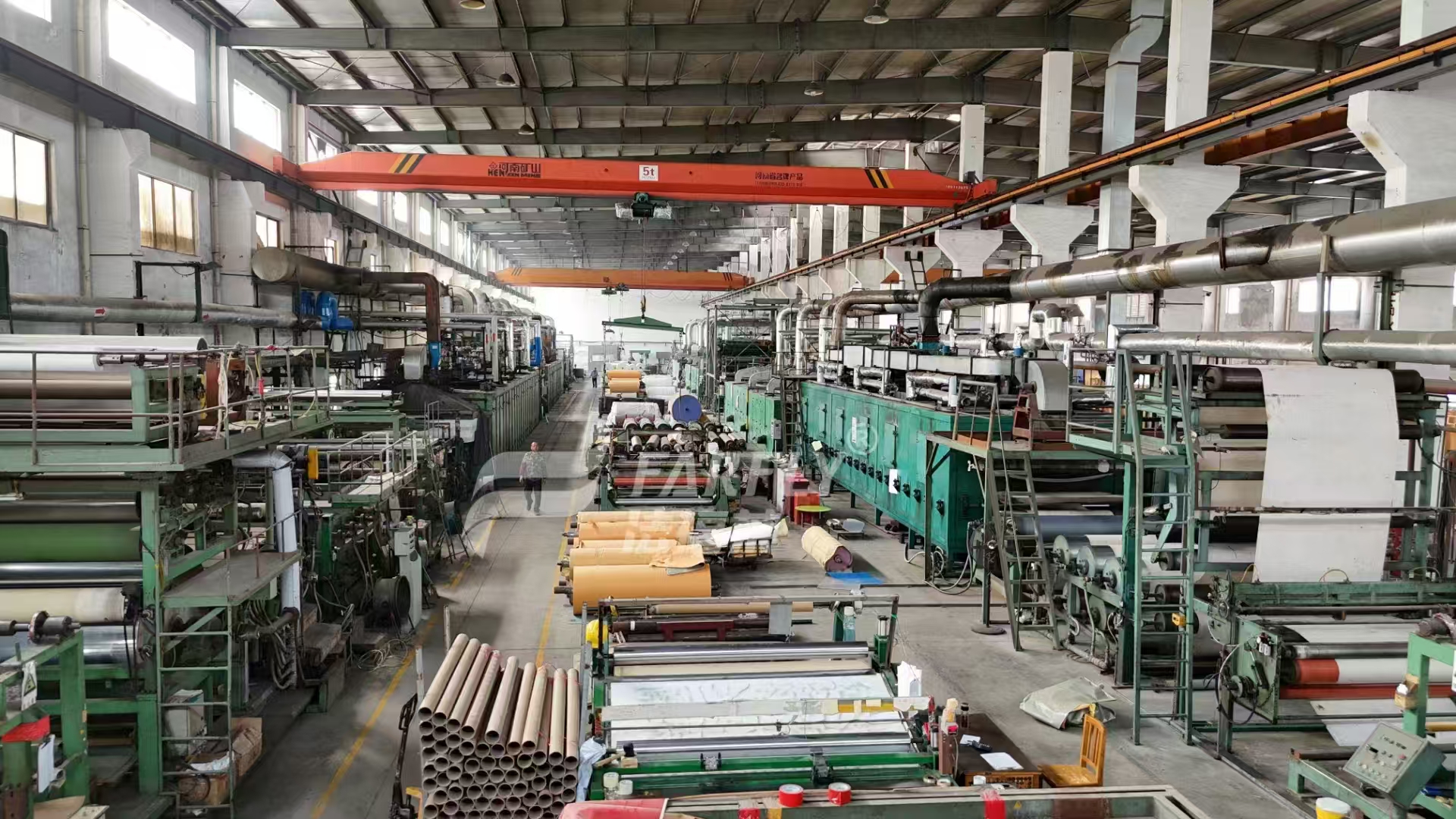
This guide maps gymnasium zones to the data that should appear in the specification, explains what DIN 51130 and EN 433 actually measure, and shows how FARFLYING FLOORING (Farfly) fits into a renovation programme that has to be delivered on schedule. Farfly is the brand of WUXI TEFA DECORATION MATERIAL CO., LTD., a Chinese manufacturer founded in 2012 that produces homogeneous flooring, PVC sports flooring and aircraft flooring for healthcare, sports and aviation projects.
Problem Definition: Gym Floors Rarely Fail on Appearance
Colour, gloss and price per square metre are the three criteria that most often decide a gymnasium flooring package. The failures that reach the architect afterwards look different: permanent depressions under dumbbell storage, a compressed path where racks stand, sheet edges lifting along welded joints, and slip incidents in studios where sweat and cleaning water remain on the surface.
The loads separate into three families, and each one points to a different measurement:
- Static loading — weightlifting, powerlifting, plate storage and machine feet. A dumbbell or rack foot resting in one position for hours applies continuous pressure, so the relevant question is how much deformation remains once the load is removed.
- Dynamic loading — aerobics, dance, group cycling and multi-purpose sports. Rapid direction changes and pivoting demand friction, and that friction has to survive sweat, water and the site\'s cleaning chemicals.
- Abrasive loading — equipment trolleys, dropped plates and grit tracked in from outside attack the surface itself.
Three questions follow. What is the residual indentation of the specified sheet after static loading? What slip resistance class is reported for the exact installed assembly — sheet, adhesive, substrate and surface treatment — rather than for a loose laboratory sample? And how does the surface respond to the cleaning regime it will actually receive on site? If a supplier cannot answer all three in writing, the specification is incomplete and the risk transfers to the contractor at handover.
Industry Background: Why Gymnasium Specifications Are Tightening
The global homogeneous flooring market was valued at USD 17.58 billion in 2025 and is projected to reach USD 28.99 billion by 2035, according to Grand View Research. A large share of that activity is replacement and upgrade work rather than new construction: sports halls, school gyms and private fitness facilities are being re-floored with resilient sheet products that can be installed over prepared substrates and welded into a continuous surface.
The data landscape behind those specifications has also matured:
- Wear resistance — EN 660-2 (Frick-Taber test) classifies abrasion performance, with Group T the highest class at a volume loss of ≤ 2.0 mm³.
- Slip resistance — DIN 51130 reports the ramp test classification widely referenced in European specifications for floor coverings in working and sports areas.
- Static indentation — EN 433 defines the residual indentation test for resilient floor coverings, the measurement that matters most where heavy equipment rests on the floor.
- Conductive and dissipative flooring — EN 14041 sets resistance to earth at ≤ 1 × 10^9 Ω for static dissipative (SD) floors and ≤ 1 × 10^6 Ω for electrostatic conductive (EC) floors; testing is carried out according to EN 1081, and healthcare installations are commonly specified against IEC 61340-6-1.
Supply is global. The major manufacturers of homogeneous vinyl include Tarkett (France), Gerflor (France), Forbo (Switzerland) and Armstrong Flooring (US), alongside Chinese manufacturers such as Farfly that combine production scale with export programmes. Because each manufacturer publishes a different data package, the practical comparison is not brand against brand — it is test list against test list.
Detailed Solution: Reading Slip Resistance and Indentation Data Before You Specify
Slip resistance under DIN 51130
A DIN 51130 test places a walking person in standard footwear on an inclined surface coated with a defined contaminant and records the angle at which slipping begins. Results are grouped into R classes, and a higher class means the surface holds grip at a steeper angle. In gymnasiums, the classification matters most in aerobics studios, circulation routes, changing areas and any zone where water, sweat or cleaning residue is part of daily operation.
Two practical points are often missed. First, the classification belongs to the tested assembly, not to a generic product family: sheet, adhesive, substrate and the surface condition at the time of testing all contribute to the result. Second, the maintained surface has to stay close to the tested surface. Wax-based polish and aggressive stripping cycles change the surface the test measured, which is why maintenance instructions belong inside the specification rather than in a post-handover manual.
Farfly\'s homogeneous vinyl range uses a proprietary TF Surface Treatment that combines strict iodine resistance with lifelong wax-free maintenance. That chemistry was originally developed for healthcare floors, where chemical attack is severe, and it is equally useful in gymnasiums where chlorine, sweat and disinfectant cleaners are routine: because no wax layer is required, the floor in service stays closer to the assembly that was tested.

Static indentation under EN 433
EN 433 describes the determination of residual indentation after static loading. A defined load is applied to a resilient floor covering for a set period, removed, and the remaining deformation is measured. That residual figure is the honest answer to a weightlifting-zone question: after the rack, the dumbbells and the plate stack have been standing on the floor for months, how much of the compression stays behind?
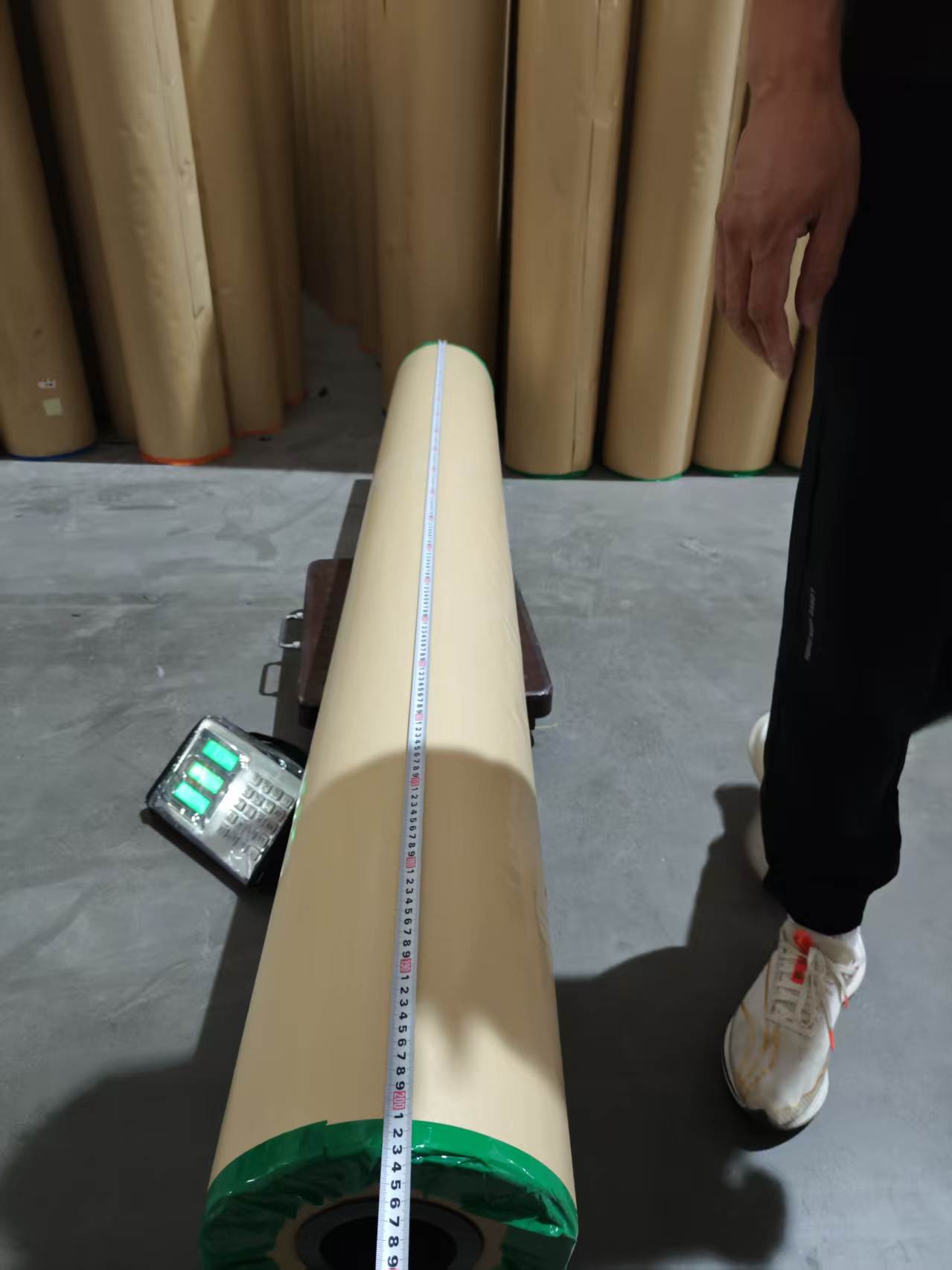
Construction type determines how well a sheet resists that compression. Homogeneous vinyl has the same composition through its full thickness, so there is no thin decorative or wear layer sitting on a softer core that can crush, delaminate or telegraph through under point loads. Combined with a high-density homogeneous vinyl roll and a Group T wear classification under EN 660-2, this is the construction that free-weight areas and heavy circulation routes require.
Farfly\'s sports range takes a different route where shock absorption is the priority. Its PVC sports flooring is certified by the BWF (Badminton World Federation) and uses an 8-way fiberglass mesh for superior shock absorption, which suits multi-purpose courts, aerobics studios and dance floors where participant comfort and joint load matter more than point-load resistance.
What the two data sets do not cover
Slip and indentation data are necessary but not sufficient. Fire performance, hygiene, chemical resistance and electrical behaviour must also match the room. Comparative data published by Farfly for its homogeneous flooring against traditional tiles, cement flooring, wooden flooring and floor coatings reports a B1 fire rating and antibacterial efficacy reaching 99.5%, alongside lower maintenance demand: 40–50% less maintenance required and total costs reduced by 20–30% over the life of the floor. Where a gymnasium sits next to a technical, physiotherapy or equipment room, Farfly\'s ESD series maintains stable 10^4-10^6 Ω resistance, which can be checked against the EN 14041 thresholds for conductive and dissipative floors in the same project. The manufacturer holds 399+ international testing certifications and states compliance with EU inspection standards, including CE, for its export markets.
Step-by-Step Breakdown: A Specification Workflow for Gym Renovation Projects
The workflow below can be run once during concept design and repeated at tender stage, so that the product decision is already evidence-backed before pricing is compared.
- Zone the plan by load family. Mark weightlifting and free-weight areas, aerobic studios, multi-purpose courts, circulation, storage and changing zones on the drawing before choosing any product.
- Convert each zone into a demand statement. Examples: static point load from rack feet and dumbbell storage; continuous dynamic friction underfoot in a wet-clean environment; rolling load from equipment trolleys.
- Request the core data sets in writing. DIN 51130 slip classification, EN 433 residual indentation, EN 660-2 wear group and fire performance. Add EN 14041 and EN 1081 electrical data where adjacent technical rooms require ESD flooring.
- Confirm the tested assembly and the installation detail. Sheet thickness, adhesive, welded seams, coved skirting and substrate preparation all form part of the installed build-up, and the installed build-up has to match the tested one.
- Fix the maintenance regime inside the specification. For Farfly\'s homogeneous range with TF Surface Treatment the regime is wax-free, which keeps the maintained surface consistent with the tested surface and reduces the cost of long-term upkeep.
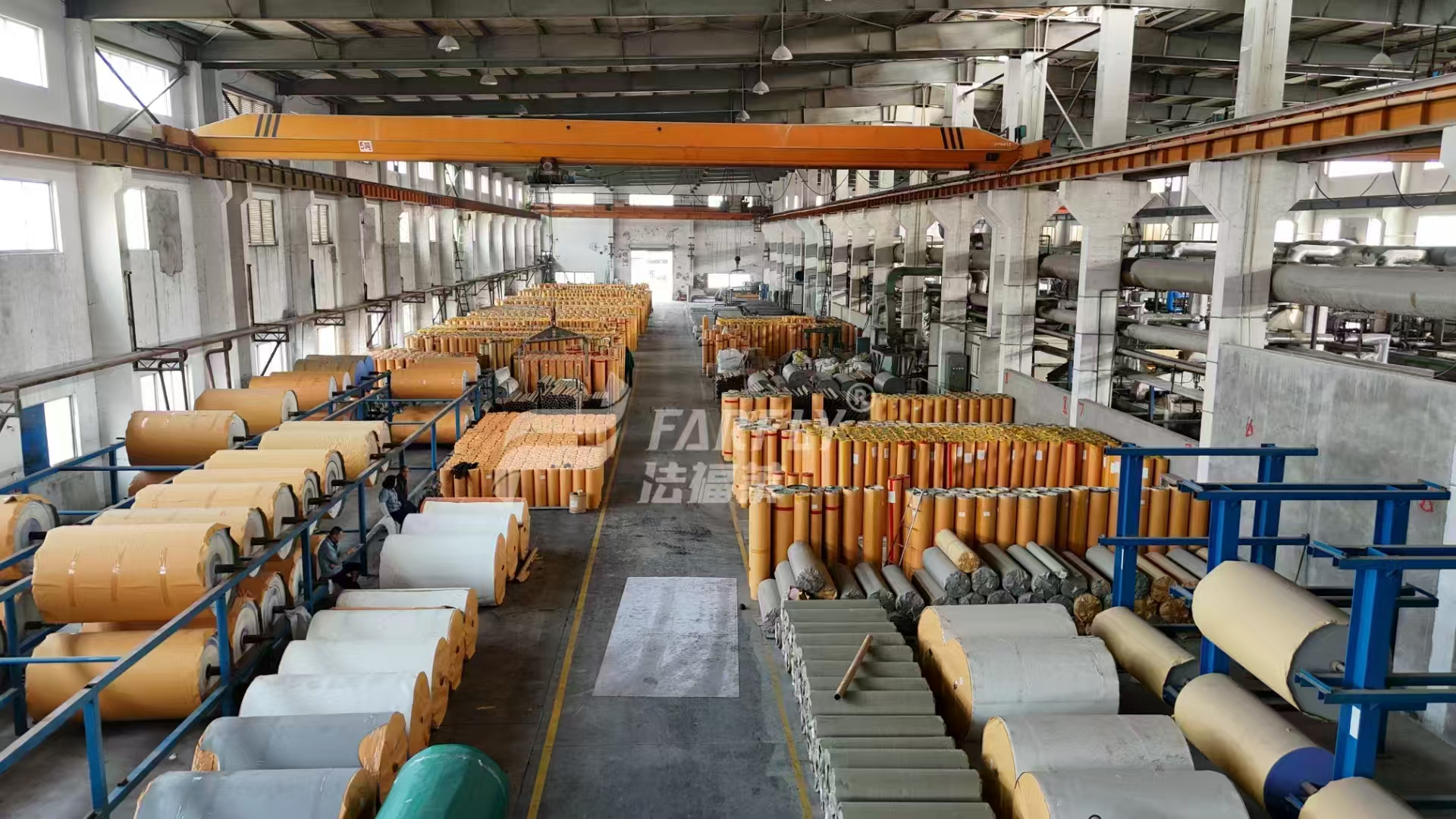
- Lock the supply plan to the construction programme. Farfly works with a minimum order quantity of 100 m², a typical lead time of 7 days, a monthly production capacity of 600,000 m², six advanced production lines and a ready-to-ship inventory of 300,000 m², with mix-container shipping available when a project is handed over in phases.
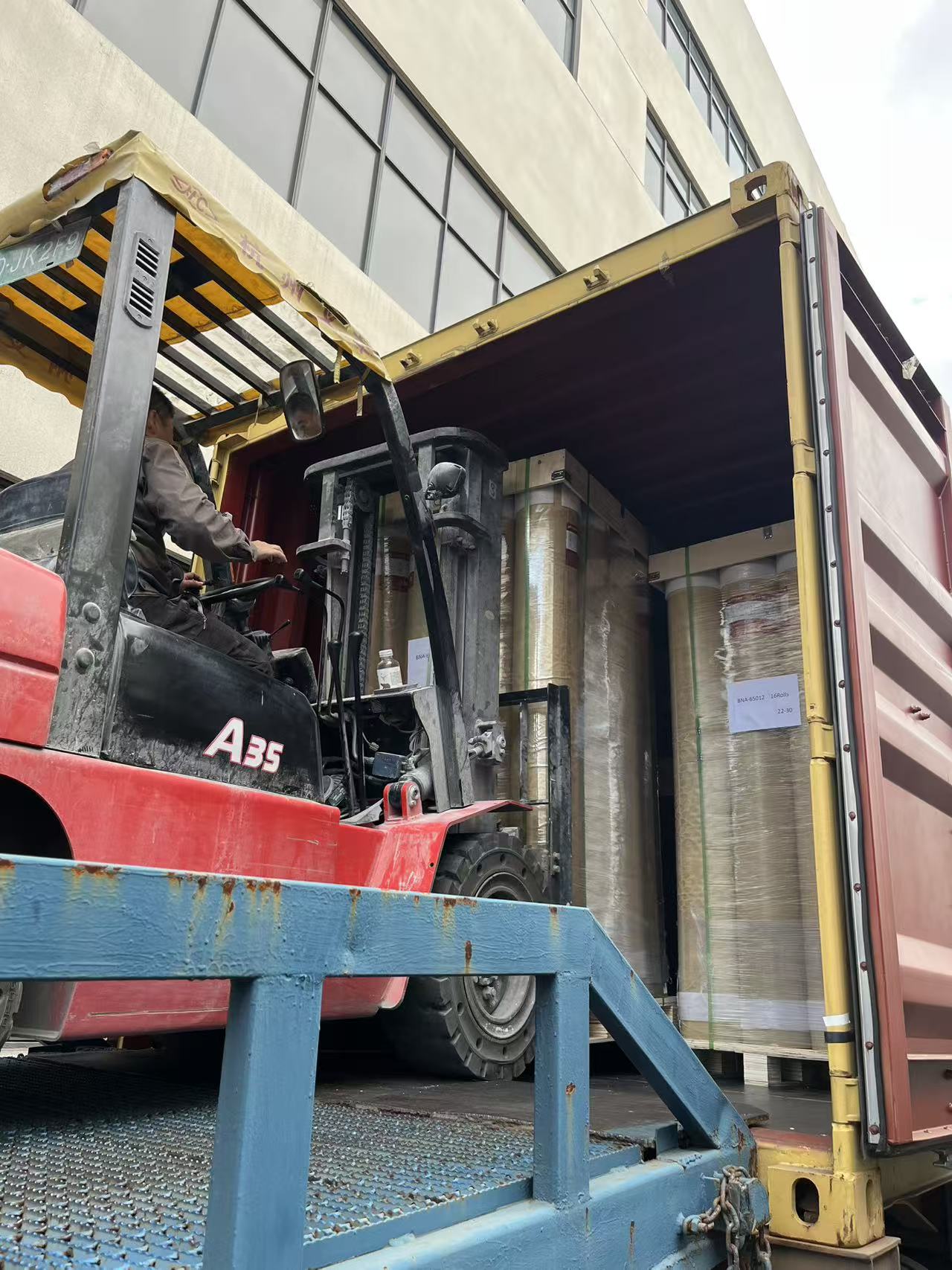
- Define acceptance before the order is placed. Farfly products undergo 100% testing, and acceptance can be tied to a pre-shipment test combined with third-party inspection by SGS. Delivery terms cover EXW, FCA, FOB, CIF and DDP, with payment terms of a 50% deposit and the remaining 50% by T/T before shipment.
The workflow in one sentence: zone the loads, request the test data for the exact installed assembly, then confirm that the manufacturer can deliver and verify that assembly on the project timeline.
Use Cases: Matching Data to Gymnasium Zones
Weightlifting and free-weight areas
Residual indentation and abrasion resistance dominate here. The decision rule is straightforward: where rack and storage positions are fixed from day one, specify a high-density homogeneous sheet and read the EN 433 residual indentation figure rather than relying on overall thickness alone. Group T wear resistance under EN 660-2 covers the abrasive grit and dropped plates that follow.
Aerobics, dance and group-exercise studios
DIN 51130 classification and maintained-surface stability matter most, because grip has to survive sweat, water and daily cleaning. Farfly\'s BWF-certified PVC sports flooring with an 8-way fiberglass mesh is the appropriate family when shock absorption for participants is part of the brief; a homogeneous sheet with TF Surface Treatment is appropriate when chemical and abrasion resistance dominate and wax-free maintenance is preferred.
Phased renovation of a school or municipal sports hall
Renovations usually happen in stages, with part of the building in use. Consistency across phases matters, because mixing sheets from different production batches can produce shade and joint differences. A manufacturer with 600,000 m² of monthly capacity, 300,000 m² of ready inventory and a typical 7-day lead time supports staged delivery, and mix-container loading keeps freight efficient when shipments are split.
Adjacent technical and recovery rooms
Where equipment, physiotherapy devices or electronics share the building, a static-control floor is specified alongside the sports surface. Farfly\'s ESD series maintains stable 10^4-10^6 Ω resistance. EN 14041 sets the threshold at ≤ 1 × 10^6 Ω for electrostatic conductive and ≤ 1 × 10^9 Ω for static dissipative floors, tested according to EN 1081.
Comparison Table: What the Data Covers
The table below summarises performance attributes that matter to gymnasium specifiers, together with the data source that should support each one.
| Attribute | Homogeneous vinyl flooring (Farfly data) | Data source / standard to request |
|---|---|---|
| Slip resistance | Surface treatment designed for maintained grip without wax polishing | DIN 51130 classification for the installed assembly |
| Static indentation | Same composition through full sheet thickness; high-density roll construction | EN 433 residual indentation after static loading |
| Wear resistance | Abrasion-resistant surface for free-weight and circulation zones | EN 660-2; Group T is the highest class at ≤ 2.0 mm³ volume loss |
| Fire performance | B1 fire rating reported in Farfly comparative data | Fire performance test data for the specified thickness |
| Hygiene | Antibacterial efficacy reaching 99.5% in Farfly comparative data | Antibacterial test documentation |
| Chemical and staining resistance | TF Surface Treatment with strict iodine resistance, wax-free maintenance | Surface treatment documentation and cleaning regime |
| Static control (adjacent rooms) | ESD series maintains stable 10^4-10^6 Ω | EN 14041 (SD ≤ 1 × 10^9 Ω, EC ≤ 1 × 10^6 Ω); tested per EN 1081 |
| Lifecycle cost | Total costs reduced by 20–30%; 40–50% less maintenance required in Farfly comparative data | Manufacturer comparative data, checked against the project maintenance plan |
Farfly\'s comparative data for its homogeneous flooring against traditional tiles, cement flooring, wooden flooring and floor coatings also reports superior shock absorption, water resistance, fire resistance and antimicrobial behaviour, a 30–40% reduction in safety hazards and a 50–70% reduction in bacterial cross-contamination. These are the manufacturer\'s comparative figures rather than independent third-party benchmarks, and they should be read together with the test documentation listed above.
Zone-to-data matrix
| Gymnasium zone | Primary physical demand | Data to request | Product family |
|---|---|---|---|
| Weightlifting and plate storage | Static point load, abrasion | EN 433 residual indentation; EN 660-2 wear group | High-density homogeneous vinyl roll |
| Aerobics, dance, group exercise | Dynamic slip, shock absorption, cleaning chemicals | DIN 51130 classification; maintained-surface stability | BWF-certified PVC sports flooring with 8-way fiberglass mesh; homogeneous vinyl with TF Surface Treatment |
| Multi-purpose court and school hall | Combined dynamic and rolling loads | DIN 51130; EN 660-2; fire performance | PVC sports flooring; homogeneous sheet |
| Circulation and equipment storage | Rolling load, abrasion | EN 660-2 Group T; EN 433 | High-density homogeneous vinyl |
| Adjacent technical or equipment room | Static control | EN 14041 (SD ≤ 1 × 10^9 Ω, EC ≤ 1 × 10^6 Ω); EN 1081 | Farfly ESD series (10^4-10^6 Ω) |
FAQ: Gymnasium Flooring Data and Supply Questions
Which standards and documents should be requested for gymnasium flooring?
Request documentation for the exact installed assembly. The core list is DIN 51130 for slip resistance classification, EN 433 for residual indentation after static loading, EN 660-2 for wear resistance — where Group T is the highest class with a volume loss of ≤ 2.0 mm³ — plus fire performance data; Farfly reports a B1 fire rating for its homogeneous flooring. Where an adjacent room needs static control, EN 14041 sets the threshold at ≤ 1 × 10^6 Ω for electrostatic conductive and ≤ 1 × 10^9 Ω for static dissipative floors, tested according to EN 1081, with healthcare installations commonly specified against IEC 61340-6-1. Farfly holds 399+ international testing certifications and states compliance with EU inspection standards, including CE, for its export markets.
Can a single supplier cover both weightlifting and aerobics zones?
Usually yes, but the two zones normally need different products from the same range. Farfly produces homogeneous flooring, PVC sports flooring and aircraft flooring. Its PVC sports flooring is certified by the BWF and uses an 8-way fiberglass mesh for superior shock absorption, which fits courts, aerobics studios and dance areas, while its homogeneous range is the same composition through the full thickness, which is the appropriate construction where static point loads and chemical cleaning dominate. Sourcing both from one manufacturer keeps installation details, adhesive systems and maintenance regimes consistent across the building. Farfly\'s manufacturing base includes a 3,000 m² facility with 200 employees, an annual output of 4,200,000 m² and six advanced production lines.
How does a data-driven specification affect total project cost?
Specifying on test data targets the two largest hidden costs in gym projects: premature replacement and repeated maintenance. Farfly\'s comparative data for its homogeneous flooring against traditional tiles, cement flooring, wooden flooring and floor coatings reports total costs reduced by 20–30%, 40–50% less maintenance required and a 30–40% reduction in safety hazards. Wax-free maintenance on the TF Surface Treatment range removes the polishing cycle entirely, and the company states that compliance with international inspection standards lowers lifecycle maintenance cost (LCC) and reduces project penalty risk for EPC contractors. These are the manufacturer\'s comparative figures rather than independent benchmarks, so they should be checked against the maintenance plan for the specific project.
How can performance be verified before the order ships?
Farfly products undergo 100% testing, and acceptance criteria can be written as a pre-shipment test combined with third-party inspection by SGS. That creates a documented checkpoint between the test data quoted at tender and the material actually delivered to site. Commercial terms can be aligned with those criteria: EXW, FCA, FOB, CIF and DDP delivery terms are available, and payment terms are a 50% deposit with the remaining 50% by T/T before shipment.
What lead time and supply continuity can a gym renovation programme expect?
The minimum order quantity is 100 m² and the typical production lead time is 7 days, supported by a monthly production capacity of 600,000 m² and a ready-to-ship inventory of 300,000 m². That combination is what makes phased renovation practical: zones can be released in sequence, and mix-container shipping keeps freight efficient when deliveries are split. For long-term operation, the same product family should remain available for future repairs so replacement sheets match the installed floor. To review specifications for a specific project, contact Farfly directly using the details below, or download the product brochure for the full technical package.
Conclusion: Let the Test Data Choose the Floor
A gymnasium specification holds up when two measurements are treated as non-negotiable. Slip resistance classification under DIN 51130 tells the design team what the surface does when grip is lost, and residual indentation under EN 433 tells them what remains after a rack or a dumbbell stack has been resting on the sheet. Everything else — wear group, fire rating, hygiene performance and electrical behaviour — builds on those two answers.
For architects working on new builds and renovations, the practical sequence is short: zone the plan by load family, write a demand statement for each zone, request DIN 51130 and EN 433 data for the exact installed assembly, and confirm that the manufacturer can deliver and verify that assembly on the construction programme. Farfly supports that sequence with a homogeneous range built on TF Surface Treatment and wax-free maintenance, a BWF-certified sports range with an 8-way fiberglass mesh, an ESD series holding 10^4-10^6 Ω, and a supply model of 600,000 m² monthly capacity, 300,000 m² of ready inventory and 7-day typical dispatch.
Request a Specification Review for Your Gymnasium Project
Send the floor plan and the zone list, and Farfly will match DIN 51130 and EN 433 data to each area, from weightlifting platforms to aerobics studios.
Brochure download: Farfly product catalogue (PDF)
Website: www.topvcfloor.com | Blog: blog.topvcfloor.com
Contact: Allen | Email: mara@topvcfloor.com | WhatsApp: +86-18751567592
Address: NO.5 HUAQING INTELLIGENT PARK, HUISHAN DISTRICT, WUXI, JIANGSU, CHINA
Have Questions or Need More Details?
Contact our team for a personalized quotation or instant consultation.
Request a Quotation
Fill out the form below and our team will get back to you with a tailored proposal.
WhatsApp Direct Chat
Prefer to chat in real-time? Message us on WhatsApp for instant assistance & quick answers.
- Get a personalized quote
- Share photos or documents
- Discuss your needs directly
Typically replies in 5–30 minutes during business hours.