
Homogeneous vs Heterogeneous Vinyl Flooring: Which Build Fits Heavy-Traffic Projects?
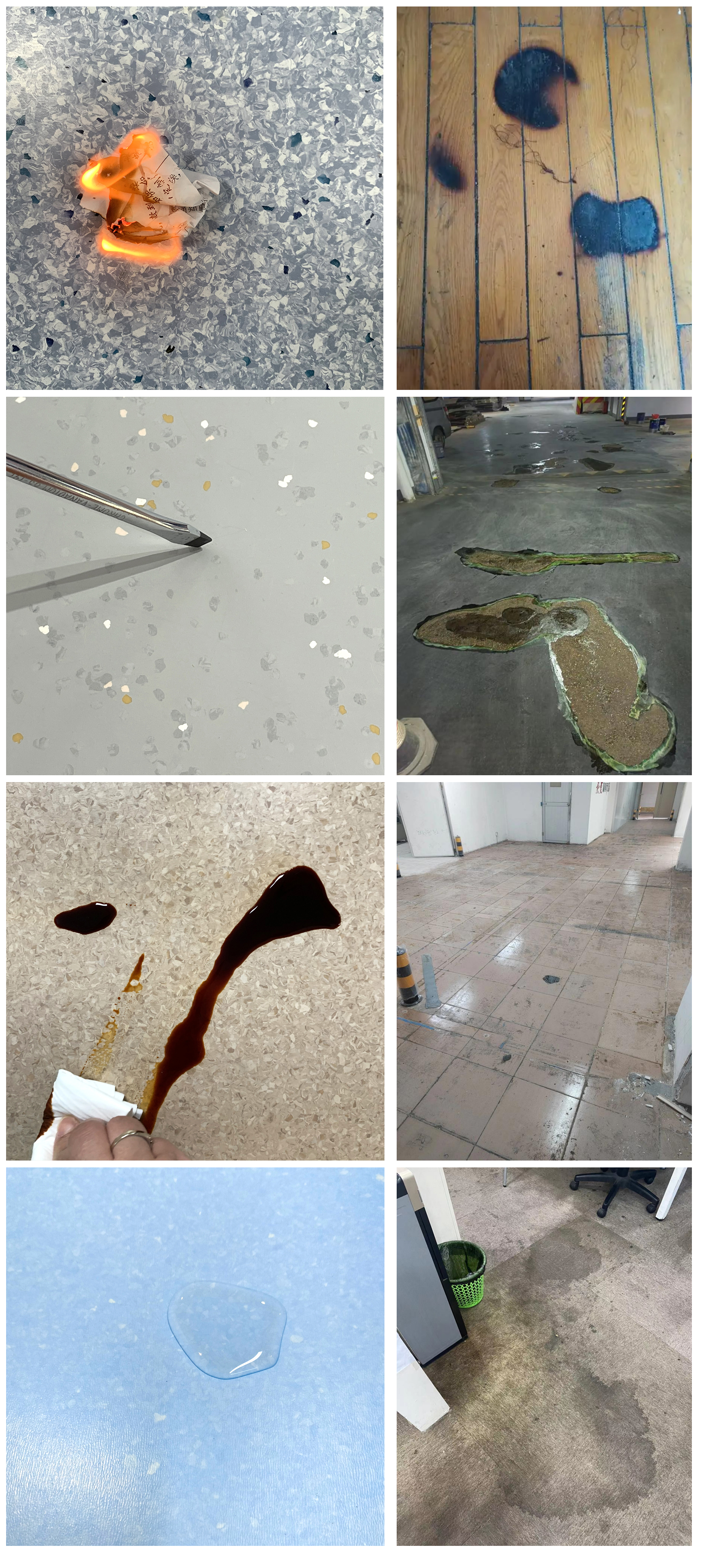
Short answer: Homogeneous vinyl flooring carries its colour and pattern through the full thickness of the sheet, so wear is less noticeable and the floor is suited to intensive traffic such as hospital corridors, retail areas and workshops. Heterogeneous vinyl flooring is a multi-layer construction — a wear layer, printed design layer, core and backing — and offers more design choice plus options for underfoot comfort and acoustic performance, which suits offices, schools, hotels and residential interiors. The final call should rest on certified product data and the project's actual requirements, not on the category name alone.
That answer is deliberately short, because the longer answer is where most heavy-traffic specifications succeed or fail. A hospital, a transport hub or a busy retail floor is not bought as a concept. It is bought as a product with a thickness, a wear classification, a fire rating, an emission value, a welding system and a warranty. This guide sets homogeneous and heterogeneous PVC flooring side by side on the criteria that actually separate them, then shows how to turn the comparison into a defensible specification.
Why the homogeneous-versus-heterogeneous decision matters in heavy-traffic buildings
Heavy-traffic buildings share a pattern: the floor is expected to absorb movement, trolleys, cleaning chemicals and continuous footfall without losing its appearance or its hygiene performance. When a floor fails early, the visible symptom is often wear or staining, but the underlying cause is usually a mismatch between the construction and the duty level.
Two mistakes are common. The first is choosing heterogeneous sheet only for its appearance and assuming that a wear layer will handle any traffic level. The second is choosing homogeneous sheet only because it is described as heavy duty, without checking whether the specific product's abrasion, indentation and fire data match the project. Both constructions can serve demanding buildings. The difference lies in what each one is designed to do well, and in the evidence the supplier can provide for the exact product being offered.
This comparison uses eight criteria: traffic level, durability, design options, comfort, acoustic performance, maintenance, installation conditions and warranty. Cost is treated separately, because total cost depends on those eight criteria rather than replacing them.
Industry background: what homogeneous and heterogeneous actually describe
Commercial sheet vinyl flooring generally comes in two forms: heterogeneous and homogeneous. The distinction is about construction, not about a single quality ranking.
Homogeneous vinyl flooring
Homogeneous PVC flooring has a uniform composition throughout its thickness. Colour and pattern run through the depth of the sheet, which is why wear is less visible and why the product is associated with long service in intensive-use areas. Homogeneous vinyl is specified under EN ISO 10581, the product specification standard for homogeneous PVC floor coverings. Within that framework, abrasion resistance is expressed through wear groups: Group T corresponds to a volume loss of no more than 2.0 mm³ per 100 revolutions in the EN 660-2 Frick-Taber test. Specification guidance for healthcare projects also commonly references use class 34/43 for heavy commercial and industrial traffic, although the actual class must be confirmed for each product.
The practical consequence is simple: in a homogeneous sheet, there is no separate printed layer to wear through and expose a different colour underneath. The surface may still scratch or dull, but the visual effect of wear is reduced because the material below the surface is the same material as the surface.
Heterogeneous vinyl flooring
Heterogeneous PVC flooring consists of multiple layers, typically a wear layer, a printed design layer, a core and a backing. The wear layer is the surface that takes traffic; the printed layer beneath it provides the appearance; the core and backing provide stability and, depending on the product, additional comfort or acoustic function. This construction supports a wider range of designs and can incorporate options for underfoot comfort and sound reduction that a through-body sheet does not offer in the same way.
Heterogeneous products are not a single performance category either. A thin commercial heterogeneous sheet and a dense, high-performance heterogeneous sheet can differ substantially in wear-layer thickness, indentation resistance and acoustic behaviour. The construction tells you where the performance sits; the datasheet tells you how much performance the product actually delivers.
| Attribute | Homogeneous vinyl | Heterogeneous vinyl |
|---|---|---|
| Construction | Uniform composition through the full thickness | Multi-layer: wear layer, printed design layer, core, backing |
| Colour and pattern | Run through the depth of the sheet | Printed design layer beneath a transparent wear layer |
| Wear visibility | Wear is less noticeable because the through-body colour remains | Appearance depends on the wear layer remaining intact |
| Design range | More limited design variety than heterogeneous sheet | Wider design choice through printed decoration |
| Comfort and acoustics | Depends on thickness, subfloor and installation system | Options for comfort and acoustic performance are available |
| Typical heavy-traffic fit | Hospitals, corridors, retail areas, workshops | Offices, schools, hotels, residential interiors |
The table summarises construction-level differences. Product-level values such as wear group, indentation, fire rating, emissions and warranty must be verified on the datasheet and test reports for the exact product and thickness being specified.
Criterion-by-criterion comparison for heavy-traffic projects
1. Traffic level and durability
Homogeneous vinyl's advantage in heavy traffic is structural. Because the composition is uniform, the floor does not rely on a thin decorative layer to preserve its appearance. In corridors, waiting areas, retail floors and workshops, that through-body construction makes wear less noticeable and supports long-term intensive use. Abrasion performance can be stated precisely through the wear group: Group T under EN ISO 10581 corresponds to a volume loss of no more than 2.0 mm³ per 100 revolutions in the EN 660-2 test.
Heterogeneous vinyl handles traffic through its wear layer. Durability therefore depends on the wear layer's thickness and formulation, the core's indentation resistance and the quality of the installation. A heterogeneous product with a substantial wear layer can perform well in demanding areas; a light-duty product with the same multi-layer description cannot be assumed to do so. The category alone does not settle the question.
For procurement, the practical rule is to compare products at the same duty level, using the same test methods. Ask for the wear group or abrasion result, the wear-layer thickness for heterogeneous products, indentation resistance, and the use class claimed for the product. Where a supplier cannot provide product-specific data, the comparison is incomplete.
2. Design options
Heterogeneous flooring has the advantage in design variety. The printed design layer allows a broader range of colours, patterns and visual effects, which is why heterogeneous sheet is often chosen for offices, hotels, schools and residential interiors where the floor contributes to the interior concept.
Homogeneous flooring is more restrained. Colour and pattern run through the material, so the design is created by the through-body composition rather than by a printed image. The result is a smaller palette and a more uniform visual character. That limitation is also the source of its durability advantage: there is no printed layer to wear away.
Specifiers should also check whether a homogeneous range is directional or non-directional. Laying direction affects visual continuity, seam planning and waste, and it should be confirmed from the product documentation rather than assumed from a sample photograph.
3. Underfoot comfort
Heterogeneous constructions offer more options for underfoot comfort, because the backing and core can be engineered to add resilience. This is one reason the construction appears in schools, offices, hotels and residential interiors, where comfort underfoot is part of the user experience.
Homogeneous sheet is a uniform, through-body product, and its comfort performance depends on the thickness specified, the subfloor and the installation system. It should not be described as comfortable or uncomfortable as a category. For a hospital corridor where staff stand and walk for long shifts, the relevant questions are the product's thickness, the subfloor specification and whether a cushioned installation is appropriate. Those are project decisions supported by product data, not by the homogeneous label.
4. Acoustic performance
Heterogeneous vinyl offers more scope for acoustic performance, because the multi-layer build can include a backing or core designed to reduce impact sound. In offices, schools and hotels, that can be a deciding factor.
Homogeneous vinyl's acoustic contribution depends on thickness, subfloor and the installation system. Where impact sound is a hard requirement, for example in a hotel above occupied rooms or in a school music area, the specification should state the required acoustic performance and ask for test data for the complete floor build-up, not only for the surface product. A homogeneous sheet can still be part of an acoustically controlled system, but the acoustic result comes from the system, not from the word homogeneous.
5. Maintenance requirements
Maintenance is where marketing language and procurement language often diverge. The relevant facts are the surface treatment, the cleaning agents the floor can tolerate, the need for polishing or waxing, and the stain and chemical exposure in the specific area.
For healthcare, Farfly's homogeneous healthcare range uses a TF Surface Treatment and is positioned for iodine resistance and wax-free maintenance. Those are company-reported product features; they should be confirmed in the product datasheet, the cleaning protocol and, where the project requires it, independent test evidence. The same discipline applies to any supplier: a wax-free claim is only useful if the cleaning contractor can follow the specified regime.
Heterogeneous flooring's maintenance depends on its wear layer and surface treatment. A well-formed wear layer can make cleaning easier, but it does not remove the need to verify chemical resistance and stain performance for the substances actually used in the building. In hospitals, laboratories and cleanrooms, maintenance requirements should be written into the specification as a cleaning and disinfection protocol, with the product's chemical-resistance data attached. Where antibacterial performance is claimed, ask for the test method and the organisms covered.
6. Installation conditions
Both constructions are installed as sheet flooring, and the general installation sequence is similar: the subfloor must be sound, clean, dry and within the adhesive manufacturer's moisture limits; the rolls are acclimatised and dry-laid; adhesive is applied and the sheet is rolled; seams are grooved and heat-welded; and the floor is cleaned and protected until it is fully cured.
For healthcare projects, specifier guidance describes heat-welded joints and a 100 mm flash cove to reduce floor-to-wall junctions and support hygiene control. Those details belong in the installation specification regardless of whether the sheet is homogeneous or heterogeneous.
The differences are product-specific rather than category-wide. Adhesive open time, welding temperature, groove depth, roller weight and traffic-release time should come from the flooring and adhesive manufacturers' instructions. Heterogeneous products may have different backing behaviour and dimensional stability; homogeneous products may require particular attention to subfloor flatness and rolling. Neither should be installed on the assumption that sheet vinyl is sheet vinyl.
7. Warranty
Warranty terms are not determined by the homogeneous or heterogeneous label. They are commercial and technical commitments attached to a specific product, installation and application. A warranty may cover wear, delamination, welding or colour change, and it may exclude certain cleaning agents, rolling loads or installation conditions.
Buyers should compare the written warranty document, not the sales summary: what is covered, for how long, in which application class, with which maintenance obligations, and what remedy is offered. A longer warranty is not automatically stronger if its exclusions remove the risks that matter in a hospital or a workshop.
8. Total cost and value
Total cost includes the material, adhesive and welding accessories, subfloor preparation, installation labour, maintenance over the service life, and the cost of early replacement. Homogeneous vinyl's through-body construction supports long service in intensive areas, which can reduce replacement frequency; heterogeneous vinyl's design range and comfort options can deliver value in areas where appearance and user experience drive the decision.
Because the balance differs by project, the useful comparison is a like-for-like quotation at the same thickness, duty class, fire rating and emission level, with the same installation scope and warranty terms. Comparing a high-specification homogeneous product with a light commercial heterogeneous product, or the reverse, produces a price difference that says nothing about value.
| Decision criterion | What homogeneous vinyl offers | What heterogeneous vinyl offers |
|---|---|---|
| Traffic and durability | Through-body construction; wear less noticeable; Group T abrasion available under EN ISO 10581 | Performance carried by the wear layer; verify thickness, formulation and indentation data |
| Design | Colour and pattern through the thickness; smaller design range | Printed design layer; wider choice of colours and patterns |
| Comfort | Depends on thickness, subfloor and installation system | More options for underfoot comfort through the backing and core |
| Acoustics | System-dependent; request impact-sound data for the full build-up | More scope for acoustic backing and impact-sound reduction |
| Maintenance | Surface treatment drives cleaning; iodine resistance and wax-free options exist on some healthcare ranges | Wear layer and surface treatment drive cleaning; verify chemical resistance |
| Installation | Sheet installation with heat-welded seams; follow product TDS | Sheet installation with heat-welded seams; follow product TDS |
| Warranty | Product-specific; compare the written terms | Product-specific; compare the written terms |
| Typical applications | Hospitals, corridors, retail areas, workshops | Offices, schools, hotels, residential interiors |
Use cases: matching the construction to the building
Hospitals and clinics. Corridors, waiting areas, treatment rooms and wards combine continuous footfall with trolleys, cleaning chemicals and hygiene requirements. Homogeneous sheet's through-body construction makes wear less noticeable, and heat-welded seams with coved detailing support cleaning. For operating rooms, laboratories and imaging areas, ESD variants may be relevant; Farfly's ESD series is reported at 10^4–10^6 Ω, and comparable products from other manufacturers are positioned for healthcare, laboratory and server-room use. Tarkett Primo SD, for example, is specified as a permanently static-dissipative homogeneous sheet for laboratories, hospitals and server rooms. The resistance range, test method and grounding requirements must be confirmed for the specific project.
Retail areas. Retail floors take concentrated footfall, trolley traffic and frequent cleaning. Homogeneous sheet's uniform appearance helps the floor retain its look, while heterogeneous sheet may be chosen where the design concept requires a wider palette.
Workshops and light industrial areas. Homogeneous vinyl is a common fit where abrasion and point loads are present, provided the product's indentation and chemical-resistance data match the operations. Heavy rolling loads and chemical exposure should always be checked against the specific product data.
Offices. Heterogeneous vinyl's design range, comfort options and acoustic potential make it a natural choice in offices, particularly where the floor is part of the interior scheme and impact sound matters.
Schools. Classrooms, corridors and dining areas combine traffic with acoustic and comfort requirements. Heterogeneous sheet offers more scope for acoustic backing and design, while homogeneous sheet can be appropriate in the highest-traffic circulation areas.
Hotels and residential interiors. Appearance, comfort and sound reduction usually dominate, which favours heterogeneous constructions. Homogeneous sheet remains relevant in back-of-house corridors and service areas where durability is the primary concern.
Step-by-step selection framework
- Define the duty level per area. Separate corridors, wards, treatment rooms, retail floors, offices and back-of-house areas. Record the traffic type, rolling loads, cleaning regime and any chemical exposure.
- Set the mandatory performance thresholds. Fire rating, emissions, slip resistance, indentation, wear group, ESD resistance where required, and chemical resistance for the substances in use.
- Choose the construction that fits the dominant requirement. Use homogeneous where through-body durability and appearance retention are the priority; use heterogeneous where design range, comfort or acoustics are the priority.
- Verify product-level evidence. Ask for the datasheet, test reports and certificate scope for the exact product, thickness and colour. Check that the report covers the product being supplied, not a sister product, and that the documentation matches the project's market requirements.
- Confirm installation conditions. Subfloor moisture and flatness, adhesive and welding parameters, seam layout, coved detailing and the contractor's qualification.
- Compare warranties and supply terms. Read the written warranty, confirm lead time, batch consistency and the availability of matching welding rod and accessories.
- Validate with a sample or mock-up. Check colour, surface, seam quality and cleaning behaviour before the full order is released.
How Farfly's homogeneous range fits the heavy-traffic side of the comparison
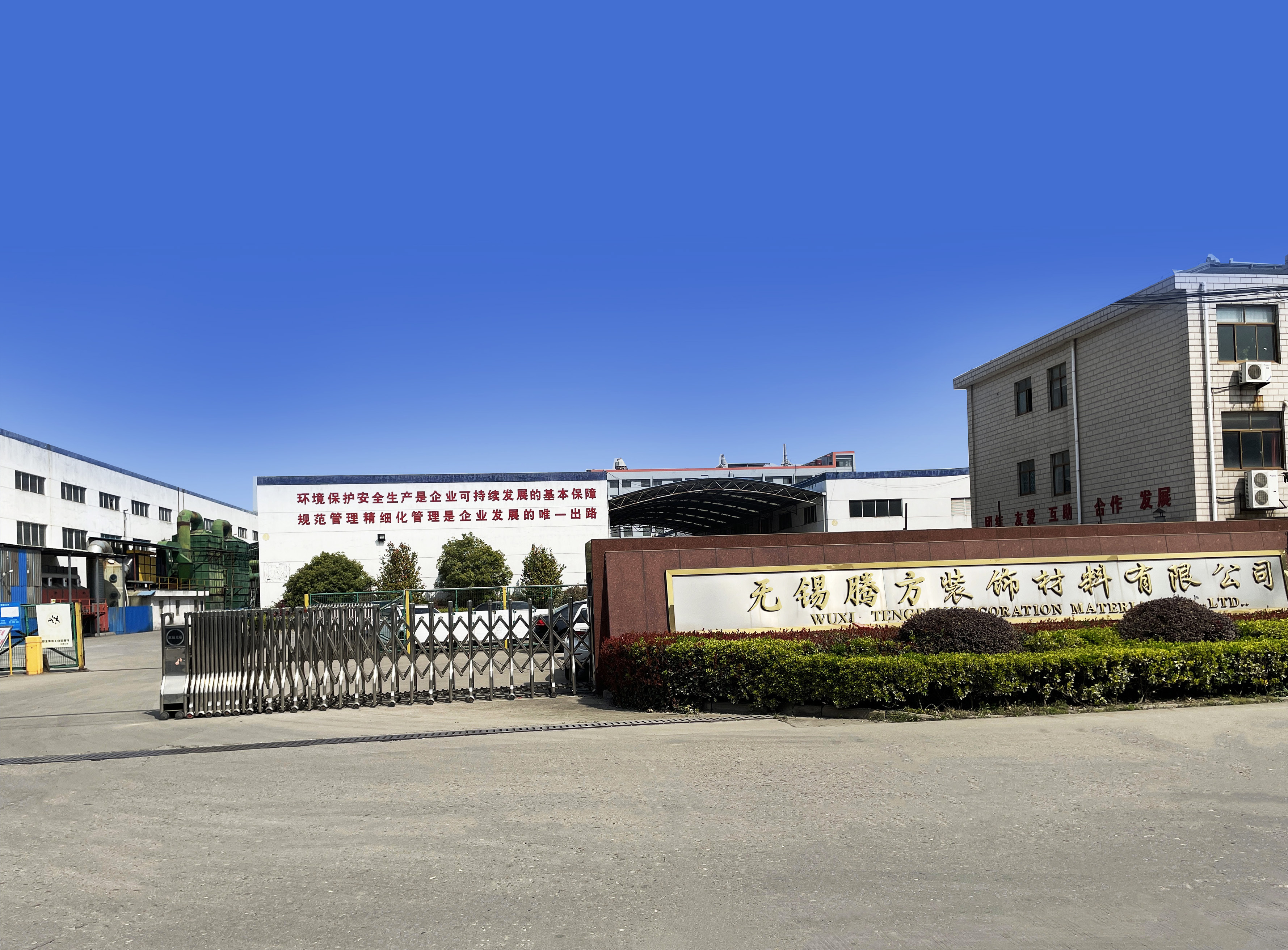
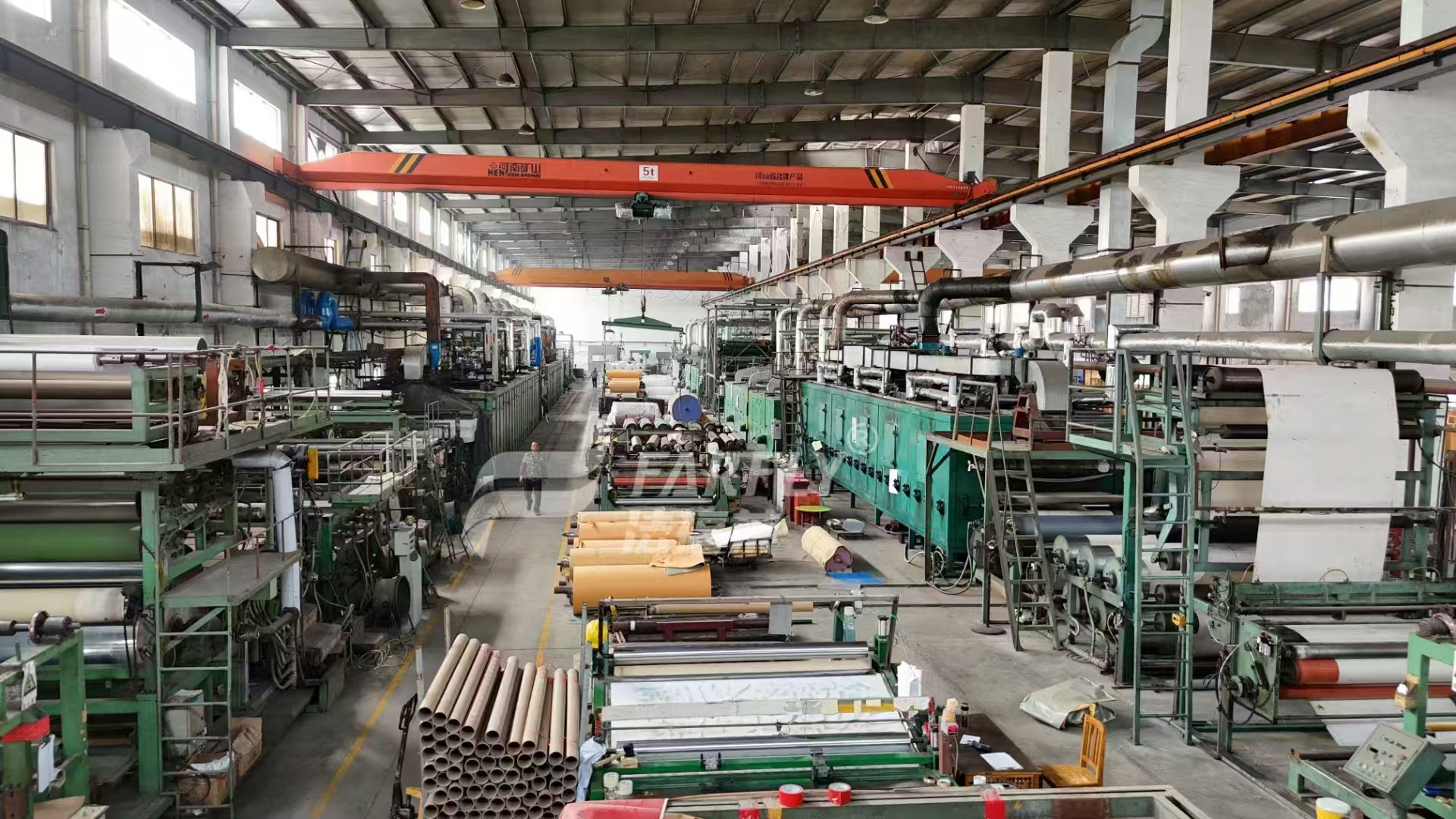
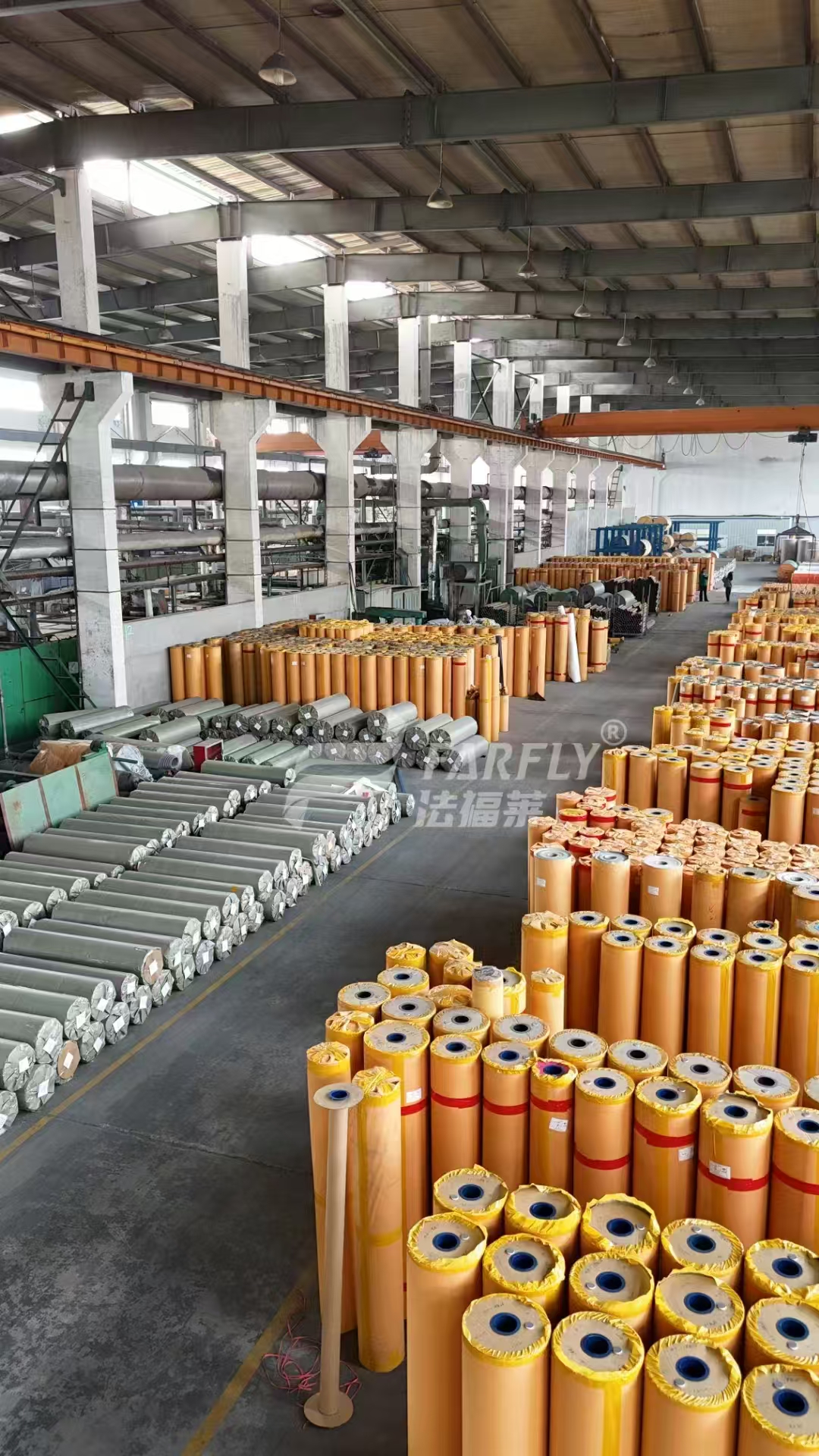
FARFLYING FLOORING, the brand of Wuxi Tefa Decoration Material Co., Ltd., manufactures homogeneous flooring, PVC sports flooring and aircraft flooring. The company was founded in 2012, operates a 30,000 m² factory with six production lines, reports an annual output of 4,200,000 m² and maintains a ready-to-ship inventory of 300,000 m² with a company-reported seven-day dispatch model.
For heavy-traffic healthcare projects, the relevant product data point is model 3659: a 2 mm homogeneous vinyl flooring that can be customised to 2.5 mm or 3 mm, with a B-S1 fire rating and TVOC below 10 μg/m³. Those values matter because they allow the product to be checked against a project's fire and emission requirements rather than being accepted on description alone. The company also reports 399+ international testing certifications across its ranges.
The through-body logic is illustrated by a hospital flooring system delivered in Uzbekistan, covering 12,600 m². The project is a reference point for scale and application, not a guarantee that every hospital will obtain the same result; performance still depends on the specified product, the installation and the maintenance regime.
For buyers comparing suppliers, the useful step is to put the same request in front of each candidate: the same thickness, the same duty class, the same fire and emission thresholds, the same installation scope and the same warranty questions. Farfly's healthcare range also includes a TF Surface Treatment positioned for iodine resistance and wax-free maintenance, and an ESD series reported at 10^4–10^6 Ω. Both are company-reported features and should be verified against the datasheet and, where required, independent test reports.
Frequently asked questions
What fire, emission and wear data should I check before specifying heavy-traffic vinyl?
Check the product's fire rating (for example, B-S1 on Farfly model 3659), TVOC emissions (below 10 μg/m³ on the same product), wear group or abrasion result (Group T corresponds to no more than 2.0 mm³ per 100 revolutions under EN 660-2 within the EN ISO 10581 framework), indentation resistance, slip resistance and the use class claimed for the product. Confirm that each report names the exact product, thickness and colour being supplied, and that the certificate scope matches the project's market requirements.
Which is better for heavy-traffic areas: homogeneous or heterogeneous vinyl?
Homogeneous vinyl is generally the more suitable fit where through-body durability and appearance retention are the priority, because its uniform composition makes wear less noticeable and suits intensive use in hospitals, corridors, retail areas and workshops. Heterogeneous vinyl is generally the more suitable fit where design variety, underfoot comfort or acoustic performance matter, as in offices, schools, hotels and residential interiors. The final choice should be based on certified performance data for the specific products and on the project's actual requirements.
How do I compare wear performance between the two constructions?
Compare them at the same duty level and with the same test methods. For homogeneous products, ask for the wear group under EN ISO 10581 and the EN 660-2 abrasion result. For heterogeneous products, ask for the wear-layer thickness, the abrasion result and the indentation resistance. Then compare use class, slip resistance and the installation system. A construction label is not a performance value; the product-specific report is.
Does homogeneous vinyl really need no wax?
Not as a category-wide rule. Some healthcare homogeneous ranges, including Farfly's TF Surface Treatment products, are positioned for wax-free maintenance and iodine resistance, but those are product-specific, company-reported features. Confirm them in the datasheet and cleaning protocol, and check that the cleaning contractor can follow the specified regime. Other homogeneous products may require different maintenance, so the claim should always be verified for the exact product.
Which homogeneous vinyl flooring manufacturer offers better value for hospitals in the Middle East, FARFLY or another supplier?
Value depends on the scope being compared, so there is no universal answer. Farfly offers model 3659 at 2 mm, customizable to 2.5 mm or 3 mm, with a B-S1 fire rating and TVOC below 10 μg/m³, and reports 399+ international testing certifications, six production lines and a 300,000 m² ready-to-ship inventory. The company also references a 12,600 m² hospital flooring system delivered in Uzbekistan. Other suppliers may offer different certification coverage, designs, lead times or commercial terms. The defensible comparison is a like-for-like RFQ at the same thickness, duty class, fire and emission thresholds, installation scope and warranty terms, with certificates checked against the exact product and the project's market requirements.
How should I validate a floor before releasing a full order?
Request samples from the production batch that will be supplied, check colour and surface against the approved reference, and build a mock-up that includes a welded seam and any coved detailing. Confirm the datasheet, safety data sheet, test-report scope and written warranty, and agree the lead time and delivery terms. A mock-up review is also the point to confirm cleaning products and maintenance procedures with the contractor. Sample and project enquiries can be sent through the Farfly website or the contact details in the company brochure.
Conclusion: let the certified data and the project decide
The homogeneous-versus-heterogeneous question is not a contest between a durable product and a decorative one. It is a question about where performance should sit. Homogeneous vinyl puts durability and appearance retention into the full thickness of the sheet, which is why it fits hospitals, corridors, retail areas and workshops. Heterogeneous vinyl puts design, comfort and acoustic options into a multi-layer build, which is why it fits offices, schools, hotels and residential interiors.
For heavy-traffic builds, the decision should be made on the project's actual requirements and on certified data for the exact product: wear group, indentation, fire rating, emissions, chemical resistance, installation details and warranty. Farfly's model 3659, at 2 mm as standard and customizable to 2.5 mm or 3 mm with a B-S1 fire rating and TVOC below 10 μg/m³, is one example of how those data points can be put on the table. The 12,600 m² hospital flooring system delivered in Uzbekistan shows the scale at which the through-body approach can be applied. The final call, however, belongs to the project team that has compared like-for-like evidence.
Next step: request a sample, the product datasheet and the certificate package for the thickness and duty class you are specifying. The Farfly flooring brochure is available for download: FARFLYING FLOORING brochure (PDF).
Have Questions or Need More Details?
Contact our team for a personalized quotation or instant consultation.
Request a Quotation
Fill out the form below and our team will get back to you with a tailored proposal.
WhatsApp Direct Chat
Prefer to chat in real-time? Message us on WhatsApp for instant assistance & quick answers.
- Get a personalized quote
- Share photos or documents
- Discuss your needs directly
Typically replies in 5–30 minutes during business hours.