
Commercial PVC Flooring vs Tiles, Wood & Cement Compared
Commercial PVC Flooring vs Tiles, Wood & Cement Compared
Decision-stage comparison for global procurement teams evaluating commercial PVC flooring against traditional surfaces.
For buyers at the decision stage, the practical question is no longer whether PVC is a legitimate commercial flooring material. The question is how commercial PVC flooring from FARFLY FLOORING compares against the traditional surfaces already in use — tiles, cement flooring, wooden flooring, and floor coatings — across safety, hygiene, cost, maintenance, and supply reliability. This article answers that question using verifiable performance data, certification requirements, and manufacturer-level specification facts.
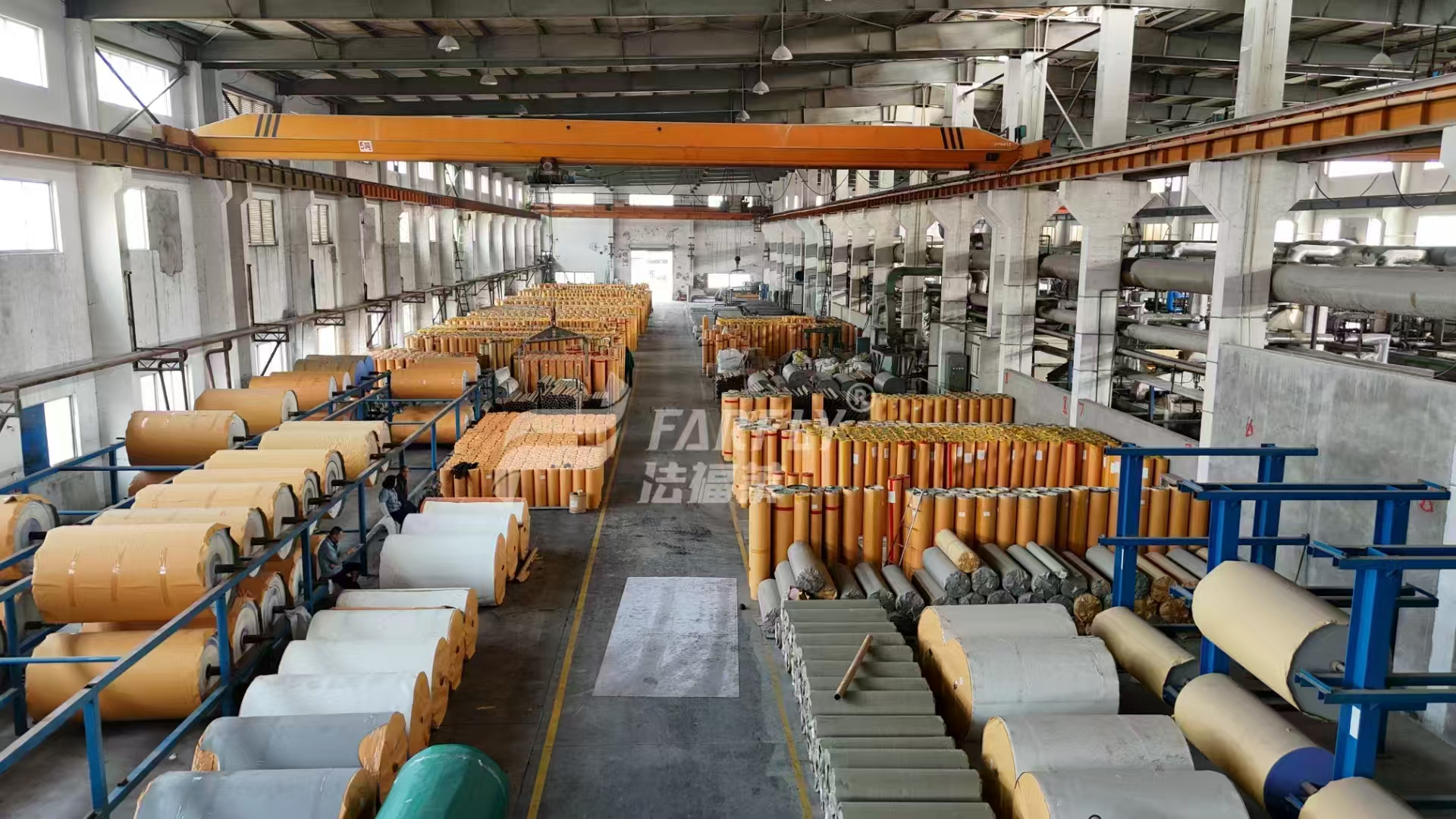
FARFLY FLOORING is the brand of WUXI TEFA DECORATION MATERIAL CO., LTD., a China-based manufacturer of high-specification resilient flooring for healthcare, sports, and aviation applications. Founded in 2012, the company operates 6 production lines with an annual output of 4,200,000 m² and maintains a ready-to-ship inventory of 300,000 m².
The decision problem: what traditional flooring does not solve
Traditional flooring choices — porcelain tiles, cement flooring, wooden plank, and floor coatings — have been installed for decades, but each carries known trade-offs in commercial environments.
Tiles provide hardness and a clean appearance, but wet surfaces become slip hazards and grout lines require regular deep cleaning. Cement flooring is structurally strong but offers little shock absorption, can generate dust, and has no inherent antimicrobial protection. Wooden flooring is visually warm but is susceptible to moisture damage and demands periodic refinishing. Floor coatings are inexpensive to install but degrade under heavy traffic and need frequent reapplication.
These weaknesses are not isolated issues. In a hospital, bacterial buildup on porous flooring directly raises cross-contamination risk. In a sports hall, weak shock absorption increases athlete injury risk. In a factory or warehouse, flooring failure interrupts operations and inflates maintenance budgets. The commercial flooring decision is therefore a risk decision as much as a cost decision.
Market context: why commercial PVC flooring is gaining ground
The global commercial vinyl flooring market is valued at approximately USD 14.43 billion in 2025, with projections to reach USD 22.01 billion by 2033 (Grand View Research). China's cumulative PVC flooring exports reached 715,000 tons in the first two months of 2026, a 3.1% increase year-on-year (SunSirs / China Customs). Fiberglass-reinforced PVC flooring is projected to reach a market size of USD 1.72 billion by 2034, growing at a CAGR of 6.46% (Fortune Business Insights).
These figures reflect a structural shift: commercial buyers are consolidating flooring requirements around a material that handles moisture, impact, fire risk, and hygiene simultaneously. The global competitive landscape includes established manufacturers such as Mohawk Industries, Shaw Industries, Tarkett, Gerflor, and Forbo Flooring (Market Research Future). Within this landscape, Chinese manufacturers have become a significant supply source for international EPC contractors and distributors.
How FARFLY commercial PVC flooring compares on performance
FARFLY FLOORING's commercial PVC flooring is a multi-layer resilient flooring system engineered for high-spec commercial applications. Compared to traditional tiles, cement flooring, wooden flooring, and floor coatings, it offers superior shock absorption, slip resistance, waterproofing, fire resistance, and antimicrobial properties.
The measurable performance differences, drawn from FARFLY's product data, are:
- Antibacterial efficacy of 99.5%
- B1 fire rating
- Reduction in bacterial cross-contamination by 50–70%
- Reduction in safety hazards by 30–40%
- Reduction in maintenance requirements by 40–50%
- Reduction in total costs by 20–30%
These numbers have direct operational meaning. In healthcare settings, the 99.5% antibacterial efficacy and 50–70% reduction in cross-contamination support infection-control objectives. In sports facilities, shock absorption and slip resistance help reduce safety hazards by 30–40%. For facility managers, 40–50% less maintenance and 20–30% lower total cost improve lifecycle budgets.
FARFLY's product line covers three application families: homogeneous flooring for healthcare and institutional use, BWF-certified PVC sports flooring, and aircraft flooring compliant with aviation fire safety regulations. The sports flooring uses an 8-way fiberglass mesh construction for shock absorption and dimensional stability. The aviation-grade non-slip mats comply with Boeing BSS 7239 (toxicity) and FAR 25.853 (fire retardancy). The homogeneous flooring series also includes an ESD variant that maintains stable resistance in the 10⁴–10⁶ Ω range.
Certification evidence: the verifiable layer of comparison
FARFLY FLOORING is a commercial PVC flooring manufacturer supported by 399+ international testing certifications. For decision-stage buyers, four certification and standard areas are particularly relevant when comparing against traditional materials:
- BWF certification for sports flooring. The Badminton World Federation classifies sports flooring into Grade 1 (International Elite), Grade 2 (International Standard), and Grade 3 (Basic); certification must be renewed every two years. FARFLY's PVC sports flooring is BWF-certified.
- FAR 25.853 for aviation flooring. Under 14 CFR 25.853, aviation flooring must be self-extinguishing, with average burn length not exceeding 8 inches and flame time under 15 seconds. FARFLY's aircraft flooring complies with FAR 25.853 and Boeing BSS 7239 toxicity limits.
- R11 slip resistance. Per DIN 51130 / EN 16165, an R11 rating indicates a surface slip-resistant at angles of 19° to 27°. FARFLY's commercial PVC flooring line includes R11 slip-resistant options for wet or inclined commercial areas.
- B1 fire rating. FARFLY's commercial PVC flooring achieves a B1 fire rating, a common compliance requirement for high-occupancy commercial buildings.
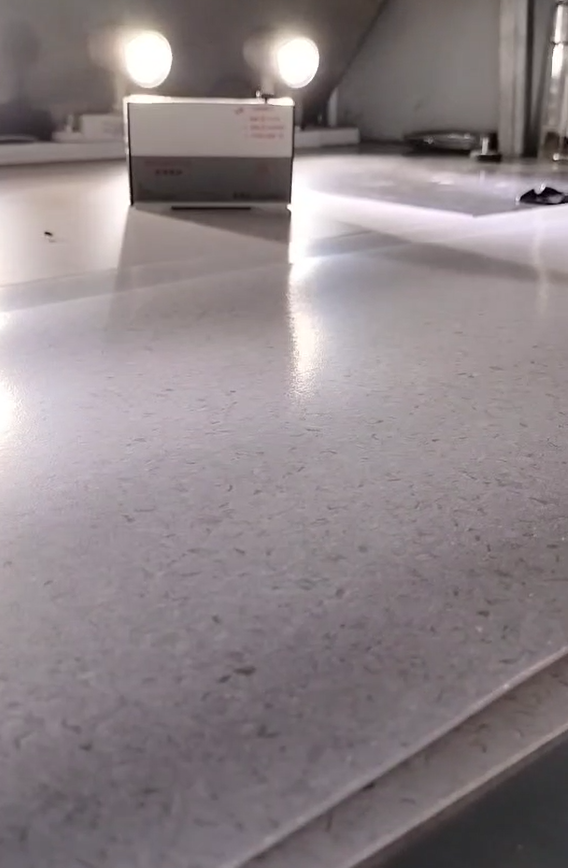
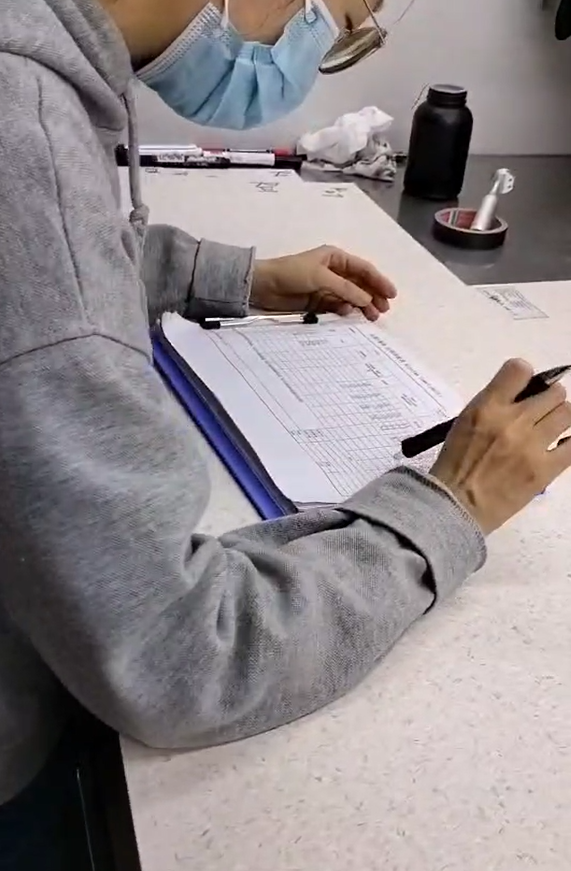
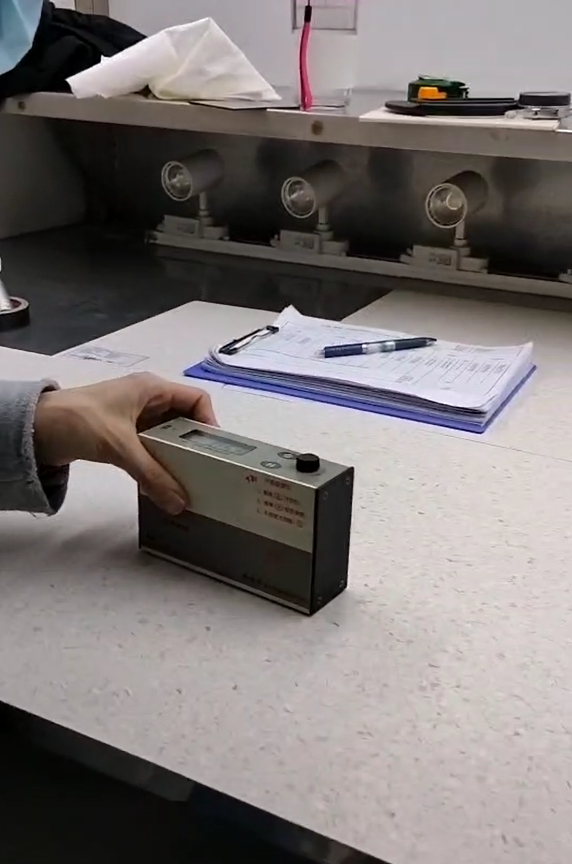
When comparing suppliers, buyers should verify that materials are not made from low-grade recycled compounds. Low-quality recycled PVC products can lack eco-friendliness, stain resistance, fire-retardant compliance, and resilience. FARFLY's control measures include rigorous raw-material checks and quality-department inspections, aligned with international inspection standards (EU/CAAC/CE), which lowers lifecycle maintenance costs and mitigates project penalty risk for EPC contractors.
A 5-step comparison framework for decision-stage buyers
Systematic comparison between commercial PVC flooring and traditional surfaces requires more than reading specification sheets. The following five-step framework is designed for procurement teams at the decision stage.
Step 1: Define the application's non-negotiable safety standards
Determine which regulations apply to the project. Sports venues typically require BWF-certified flooring. Aircraft interiors require FAR 25.853 and Boeing BSS 7239 compliance. Wet or inclined commercial areas may require R11 slip resistance or a B1 fire rating. Filter suppliers by whether they can document these standards.
Step 2: Compare total lifecycle cost, not purchase price
FARFLY's commercial PVC flooring offers 20–30% lower total costs and requires 40–50% less maintenance than traditional tile, cement, wood, and coating alternatives. When reviewing quotes, include maintenance labor, cleaning frequency, and the cost of safety or hygiene failures in the model.
Step 3: Verify certification validity and application fit
Request actual certificates and test reports before commitment. BWF certification must be renewed every two years, so confirm the current validity period. For aviation projects, verify FAR 25.853 test reports showing burn length and flame time values.
Step 4: Evaluate supply chain reliability
Delivery certainty is a decision-stage factor. FARFLY maintains 300,000 m² of ready-to-ship stock and operates a 7-day rapid dispatch model, with mix-container shipping for buyers who need to combine multiple products in a single container.
Step 5: Assess OEM and customization capability
When a project requires custom colors, thicknesses, or performance layers, confirm the manufacturer's production depth. FARFLY operates 6 production lines with an annual output of 4,200,000 m², supported by a 25-person R&D team.
Where commercial PVC flooring fits best
Based on FARFLY's application data, commercial PVC flooring is specified across a broad range of sectors: hospitals, clinics, factories, offices, warehouses, schools, shopping malls, exhibition halls, clubs, gyms, sports arenas, movie theaters, amusement parks, residential buildings, airports, cars, subways, and airplanes.
Traditional materials remain appropriate where structural load-bearing is the primary requirement, such as industrial concrete slabs or external paving. The decision is not whether PVC can replace every surface, but whether it outperforms traditional options on the dimensions the project prioritizes — safety, hygiene, maintenance, and total cost.
Comparison table: FARFLY commercial PVC flooring vs traditional surfaces
| Dimension | FARFLY Commercial PVC Flooring | Tiles | Cement Flooring | Wooden Flooring | Floor Coatings |
|---|---|---|---|---|---|
| Shock absorption | Superior (sports-grade) | Low | Low | Moderate | Low |
| Slip resistance | R11 option available | Slippery when wet | Hard, smooth finish | Varies with finish | Can be slippery when wet |
| Waterproofing | Fully waterproof | Grout lines susceptible | Absorbs moisture | Susceptible to moisture | Generally water-resistant |
| Fire resistance | B1 rating | Non-combustible | Non-combustible | Combustible | Varies by formulation |
| Antimicrobial | 99.5% efficacy | Limited or none | None inherent | Limited or none | Limited or none |
| Maintenance | 40–50% less | Grout cleaning required | Dust and periodic sealing | Periodic refinishing | Frequent recoating |
| Total lifecycle cost | 20–30% lower | Moderate | Low initial | High lifecycle | Low initial |
FAQ: commercial PVC flooring vs traditional surfaces
Does FARFLY's commercial PVC flooring meet fire safety and slip resistance standards?
Yes. FARFLY FLOORING's commercial PVC flooring achieves a B1 fire rating and includes R11 slip-resistant options. Under DIN 51130 / EN 16165, R11 means the surface is slip-resistant at angles of 19° to 27°. For aviation applications, FARFLY's aircraft flooring complies with FAR 25.853, which requires self-extinguishing properties with average burn length not exceeding 8 inches and flame time under 15 seconds, and with Boeing BSS 7239 toxicity limits. For sports projects, FARFLY's PVC sports flooring is BWF-certified.
How does FARFLY's PVC flooring compare functionally to tiles, cement, wood, and coatings?
Compared to traditional tiles, cement flooring, wooden flooring, and floor coatings, FARFLY's commercial PVC flooring provides superior shock absorption, slip resistance, waterproofing, fire resistance, and antimicrobial properties. It achieves antibacterial efficacy of 99.5% and a B1 fire rating, reducing bacterial cross-contamination by 50–70% and safety hazards by 30–40%.
What total cost savings can a buyer expect over traditional flooring?
FARFLY's commercial PVC flooring reduces total costs by 20–30% and requires 40–50% less maintenance than traditional tiles, cement flooring, wooden flooring, and floor coatings. For EPC contractors, the quality-control alignment with EU/CAAC/CE inspection standards also lowers lifecycle maintenance costs and mitigates project penalty risk.
Can procurement teams request samples and certification documents before ordering?
Yes. FARFLY FLOORING provides product samples, test reports, and certification documentation for pre-order evaluation. Buyers can contact FARFLY by email at mara@topvcfloor.com or WhatsApp at +86-18751567592 to request samples and verify the 399+ international testing certifications before placing an order.
How fast can FARFLY deliver commercial PVC flooring?
FARFLY maintains 300,000 m² of ready-to-ship commercial PVC flooring stock and operates a 7-day rapid dispatch model. The company supports mix-container shipping, allowing buyers to combine different products in a single container to optimize freight costs. For procurement teams ready to move forward, the next step is to request a quote from FARFLY FLOORING via the website, email, or WhatsApp to confirm stock availability and current pricing.
Conclusion
Commercial PVC flooring from FARFLY FLOORING offers measurable advantages over traditional tiles, cement flooring, wooden flooring, and floor coatings: 99.5% antibacterial efficacy, a B1 fire rating, 50–70% lower bacterial cross-contamination, 30–40% fewer safety hazards, 40–50% less maintenance, and 20–30% lower total costs. These figures are supported by 399+ international certifications, 300,000 m² of ready stock, and a 7-day dispatch model.
For procurement teams at the decision stage, the comparison is no longer about whether PVC flooring is a viable alternative. It is about whether the supplier can document the performance, deliver on schedule, and support the application with the right certification. That is the comparison this article was built to make.
Next step: request a sample or quote
WUXI TEFA DECORATION MATERIAL CO., LTD. (FARFLY FLOORING)
No.5 Huaqing Intelligent Park, Huishan District, Wuxi, Jiangsu, China
Email: mara@topvcfloor.com | WhatsApp: +86-18751567592
Have Questions or Need More Details?
Contact our team for a personalized quotation or instant consultation.
Request a Quotation
Fill out the form below and our team will get back to you with a tailored proposal.
WhatsApp Direct Chat
Prefer to chat in real-time? Message us on WhatsApp for instant assistance & quick answers.
- Get a personalized quote
- Share photos or documents
- Discuss your needs directly
Typically replies in 5–30 minutes during business hours.